

What to Do Immediately After a Fracture
A fracture can happen anywhere—at home, on the road, during sports, or at work. The moments immediately after the injury are critical. Knowing what to do before reaching the hospital can reduce pain, prevent further damage, and improve recovery.
Many people unknowingly make mistakes such as trying to straighten the injured limb, walking on a broken leg, or massaging the injured area. These actions can worsen the injury.
This guide explains the correct first aid measures for suspected fractures.
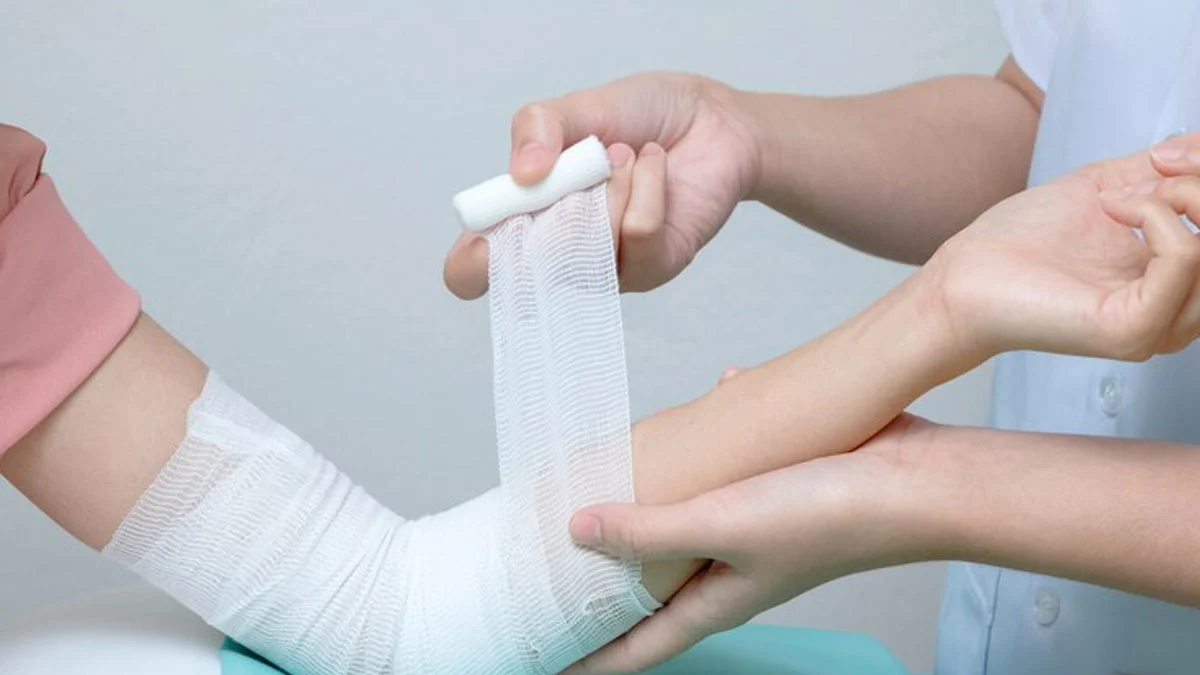
How Can You Tell If It May Be a Fracture?
Not every injury is a fracture, but if any of the following signs are present, treat it as one until proven otherwise.
Common Signs
- Severe pain
- Swelling
- Bruising
- Inability to move the limb
- Difficulty bearing weight
- Visible deformity
- Bone protruding through the skin
- Abnormal movement
- A cracking sound at the time of injury
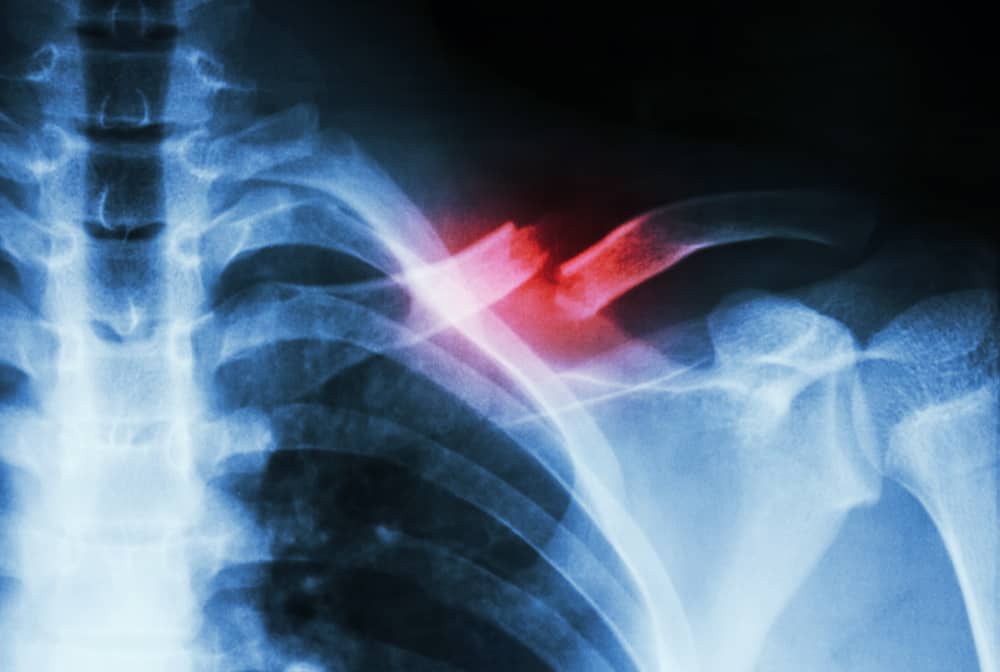
Remember: Only an X-ray or other imaging test can confirm whether a bone is fractured.
Step 1: Stay Calm and Ensure Safety
Before helping the injured person:
- Move away from traffic or other hazards.
- Avoid unnecessary movement.
- Reassure the injured person.
- Call for assistance if needed.
If the injury occurred after a road traffic accident or fall from height, always consider the possibility of neck or spine injuries.
Step 2: Do Not Move the Injured Limb Unnecessarily
Movement can worsen:
- Bone displacement
- Bleeding
- Muscle injury
- Blood vessel damage
- Nerve injury
Support the injured limb in the position in which it is found.
Step 3: Immobilize the Limb
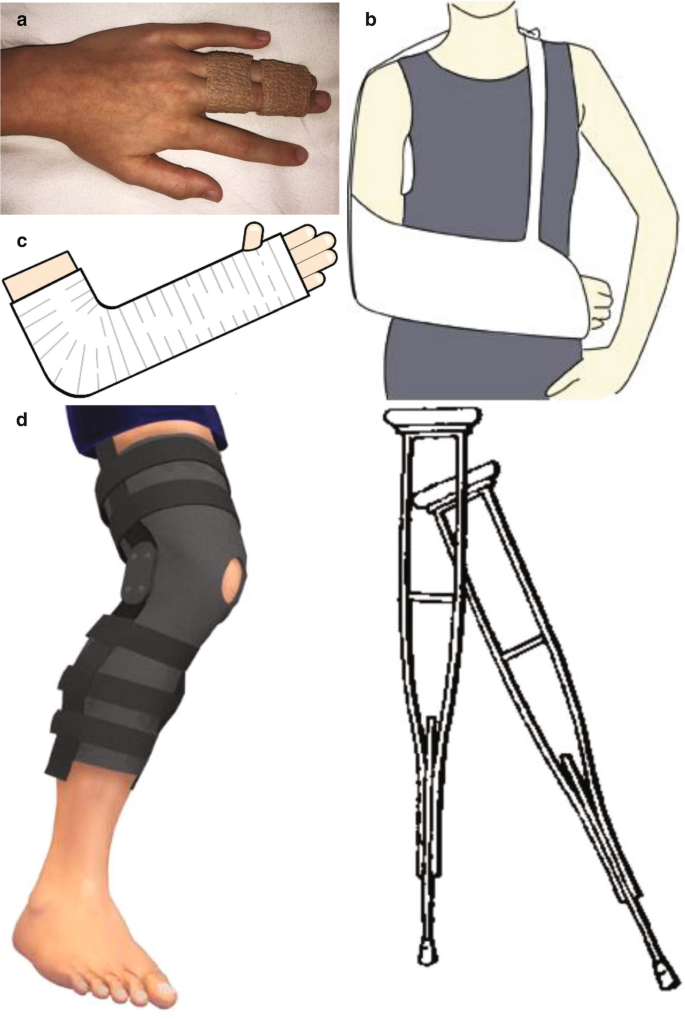
Immobilization is one of the most important first aid measures.
Use a splint if available.
If not, use everyday objects such as:
- Cardboard
- Wooden board
- Folded newspaper
- Thick magazine
- Rolled blanket
Secure the splint gently using:
- Cloth
- Bandage
- Scarf
- Triangular sling
The goal is to prevent movement—not to tightly squeeze the limb.
Simple Rule
Suspected Fracture
        │
        ▼
Do NOT Straighten
        │
        ▼
Immobilize the Joint Above
        │
        ▼
Immobilize the Joint Below
        │
        ▼
Transport Safely
Step 4: Apply Ice
Cold therapy helps reduce:
- Pain
- Swelling
- Bleeding into tissues
How to Apply Ice
- Wrap ice in a towel.
- Apply for 15–20 minutes.
- Repeat every few hours if needed.
Never place ice directly on the skin.
Step 5: Control Bleeding
If there is bleeding:
- Apply gentle pressure using a clean cloth or sterile dressing.
- Elevate the limb if possible and if it does not cause severe pain.
- Continue pressure until medical help arrives.
If the bone is protruding through the skin, do not push it back inside.
Instead:
- Cover the wound with a clean sterile dressing.
- Seek emergency medical care immediately.
Step 6: Remove Tight Objects
Swelling develops quickly after fractures.
Remove:
- Rings
- Bracelets
- Watches
- Tight footwear (if possible without causing pain)
This helps prevent circulation problems later.
Step 7: Seek Medical Care Promptly
Even if pain improves, every suspected fracture should be evaluated by a healthcare professional.
You may need:
- X-rays
- CT scan (selected cases)
- MRI (certain fractures and ligament injuries)
Early treatment improves healing and reduces complications.
What NOT to Do
Avoid these common mistakes.
| ❌ Don't | Why? |
|---|---|
| Try to straighten the bone | May worsen injury |
| Massage the injured area | Can increase bleeding and swelling |
| Walk on a suspected leg fracture | May displace the fracture |
| Push exposed bone back inside | Increases infection risk |
| Delay medical evaluation | Can delay proper treatment |
| Ignore severe pain or deformity | May lead to complications |
Special Situations
Suspected Neck or Spine Injury
If the injured person has:
- Neck pain
- Back pain
- Weakness in the arms or legs
- Numbness
- Loss of consciousness
Do not move them unless there is immediate danger, such as fire or ongoing traffic.
Call emergency medical services immediately.
Hip Fracture in Older Adults
An elderly person who:
- Falls
- Cannot stand
- Has severe hip pain
- Has one leg appearing shorter or turned outward
may have a hip fracture.
Avoid trying to help them walk.
Open Fracture
An open fracture occurs when the bone breaks through the skin.
This is an emergency because of the high risk of infection.
Immediate hospital treatment is required.
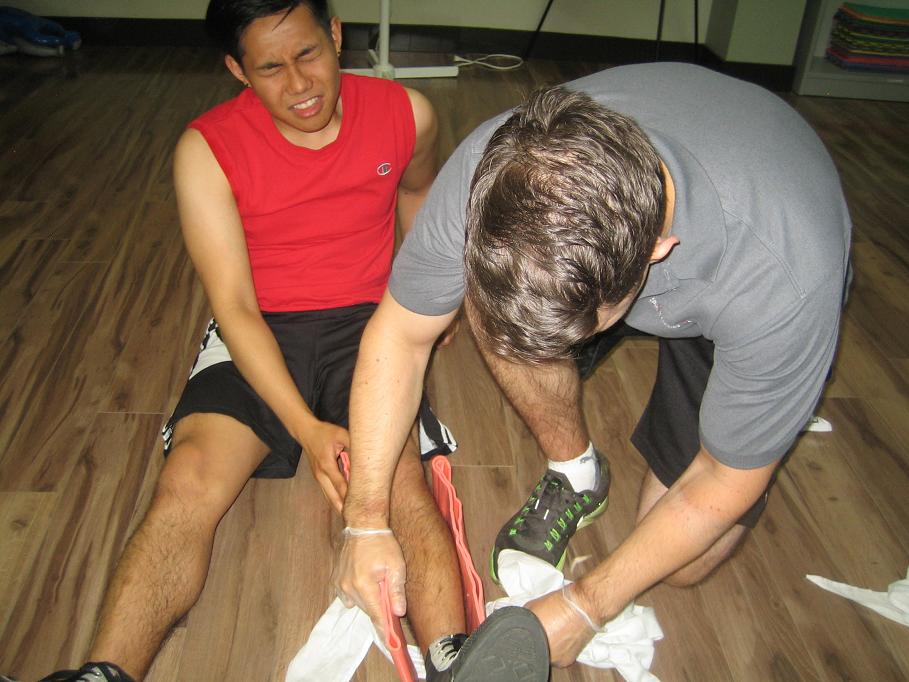
Signs You Should Go to the Emergency Department Immediately
Seek urgent medical care if:
- Bone is visible
- Severe deformity is present
- Heavy bleeding continues
- Fingers or toes become blue or cold
- Numbness develops
- The injured limb cannot be moved
- Severe pain persists despite first aid
- The injury follows a major accident
How Doctors Treat Fractures
Treatment depends on:
- Type of fracture
- Bone involved
- Degree of displacement
- Patient's age
- Overall health
Management may include:
| Treatment | When It Is Used |
|---|---|
| Splint | Initial stabilization |
| Cast | Stable fractures |
| Brace | Selected injuries |
| Closed reduction | Realigning the bone without surgery |
| Surgery | Displaced, unstable, or complex fractures |
Frequently Asked Questions
Should I try to check whether the bone is broken?
No.
If a fracture is suspected, avoid repeatedly moving the injured limb. Medical examination and imaging are safer ways to confirm the diagnosis.
Can I eat or drink before reaching the hospital?
If surgery may be required, your doctor may advise avoiding food and drink until you have been assessed. If emergency surgery is anticipated, remaining fasting can be beneficial.
Should I massage the injured area?
No.
Massage may increase bleeding, swelling, and pain, and can worsen certain fractures.
Is every fracture painful?
Most fractures are painful, but some stress fractures or fractures in older adults may present with only mild discomfort initially.
Can I drive myself to the hospital?
Minor upper limb injuries may allow safe transport by another person. However, if you have severe pain, leg injuries, dizziness, suspected spinal injury, or significant bleeding, arrange emergency medical transport whenever possible.
First Aid Checklist
If someone suffers a suspected fracture:
- Ensure the area is safe.
- Keep the injured person calm.
- Do not move the injured limb unnecessarily.
- Immobilize the limb.
- Apply ice.
- Control bleeding.
- Remove rings or tight jewellery.
- Seek medical care immediately.
Quick Tip
If you are unsure whether an injury is a sprain or a fracture, treat it like a fracture until a doctor confirms otherwise.
Key Takeaways
The first few minutes after a fracture can significantly influence recovery.
- Immobilize the injured limb.
- Never attempt to straighten a suspected fracture.
- Apply ice to reduce pain and swelling.
- Control bleeding without manipulating exposed bone.
- Seek prompt medical evaluation for all suspected fractures.
- Open fractures, severe deformity, and loss of circulation require emergency care.
Book an Appointment
Whether you've sustained a sports injury, road traffic accident, workplace injury, or fall, timely fracture management is essential for proper healing and restoring function.
At Spica Hospitals, we provide 24×7 emergency fracture care, digital X-ray services, plaster and splint application, complex trauma surgery, minimally invasive fracture fixation, joint reconstruction, and comprehensive rehabilitation to help patients recover safely and return to their normal activities.