

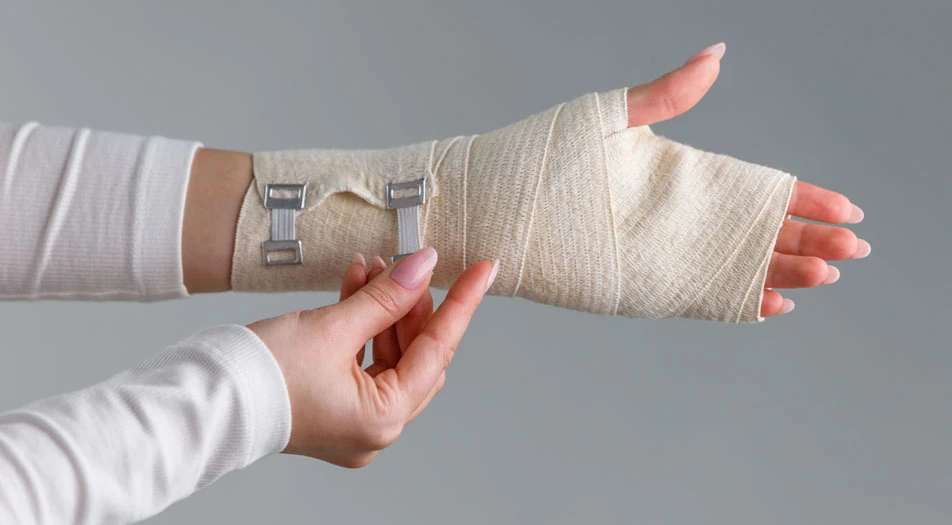
What to Do Immediately After a Fracture
A fracture, commonly known as a broken bone, can happen unexpectedly—during a road traffic accident, a fall at home, while playing sports, or even after a simple slip. The actions taken in the first few minutes after the injury can significantly influence recovery and reduce the risk of complications.
Many people panic or try to "fix" the injury themselves, which can sometimes make the damage worse.
This guide explains exactly what you should—and should not—do until professional medical care is available.

How to Recognize a Fracture
Not every injury results in a broken bone, but the following signs should raise suspicion.
Common Symptoms
- Sudden severe pain
- Swelling
- Bruising
- Visible deformity
- Difficulty or inability to move the limb
- Pain while bearing weight
- Bone protruding through the skin
- Shortening or abnormal position of the limb
- A cracking or snapping sound at the time of injury
Important: A fracture cannot always be confirmed by appearance alone. Medical examination and imaging, usually an X-ray, are needed for diagnosis.
Step-by-Step First Aid
Step 1: Stay Calm
Panic often leads to unnecessary movement of the injured person.
Instead:
- Reassure the patient.
- Keep them as comfortable as possible.
- Ask them not to move the injured limb.
Step 2: Check for Life-Threatening Injuries
Before focusing on the fracture, quickly assess whether the person is:
- Conscious
- Breathing normally
- Bleeding heavily
If there is severe bleeding or the person is unconscious, these issues take priority, and emergency medical services should be contacted immediately.
Step 3: Do NOT Straighten the Limb
One of the most common mistakes is attempting to pull or straighten the injured arm or leg.
This can:
- Increase pain
- Damage nerves
- Injure blood vessels
- Worsen the fracture
- Increase bleeding
Leave the limb in the position in which it was found unless there is immediate danger.
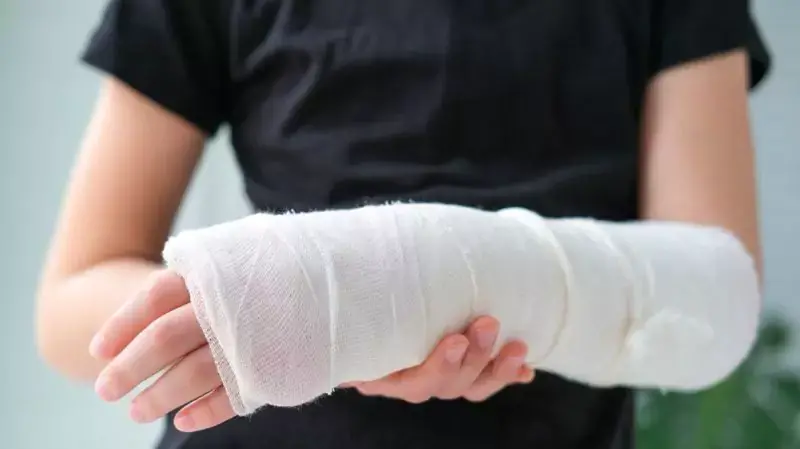
Step 4: Immobilize the Injured Limb
Keeping the injured area still is the most important first aid measure.
If a splint is available, use it.
If not, everyday objects can be used temporarily:
- Cardboard
- Wooden board
- Folded newspaper
- Thick magazine
- Walking stick
Secure the splint gently using:
- Bandages
- Cloth
- Scarf
- Triangular sling
Golden Rule
Immobilize:
- The joint above the fracture
- The joint below the fracture
This minimizes movement and reduces pain.
Step 5: Apply Ice
Cold therapy helps reduce:
- Swelling
- Pain
- Internal bleeding
How to Apply Ice
- Wrap ice in a towel.
- Apply for 15–20 minutes.
- Repeat every few hours if necessary.
Never place ice directly on the skin.
Step 6: Control Bleeding
If there is bleeding:
- Apply gentle pressure with a clean cloth or sterile dressing.
- Keep the dressing in place.
- Seek urgent medical care.
If the bone is visible:
- Do not push it back inside.
- Cover it with a clean dressing.
- Go to the nearest emergency department immediately.
Step 7: Remove Tight Items
Before swelling becomes severe, carefully remove:
- Rings
- Watches
- Bracelets
- Tight footwear (if it can be removed without causing significant pain)
This helps prevent circulation problems.
Step 8: Arrange Safe Transport
Even if the pain decreases, every suspected fracture should be evaluated by a healthcare professional.
Avoid:
- Driving yourself if the injury affects your ability to control a vehicle.
- Walking on a suspected leg fracture.
- Delaying medical care.
First Aid Flowchart
Suspected Fracture
        │
        ▼
Stay Calm
        │
        ▼
Check for Serious Bleeding
        │
        ▼
Immobilize the Limb
        │
        ▼
Apply Ice
        │
        ▼
Control Bleeding
        │
        ▼
Go to the Hospital
When Is It an Emergency?
Seek emergency medical care immediately if:
- Bone is protruding through the skin
- Severe deformity is present
- Heavy bleeding continues
- Fingers or toes become cold or blue
- There is numbness or loss of sensation
- The injured person cannot move the limb
- The injury follows a major road traffic accident
- Neck or back pain accompanies the injury
- The person loses consciousness
What NOT to Do
| ❌ Avoid | Why? |
|---|---|
| Massaging the injured area | Increases bleeding and swelling |
| Trying to straighten the bone | May damage nerves and blood vessels |
| Walking on a suspected fracture | Can worsen displacement |
| Ignoring severe pain | Delays diagnosis |
| Applying very tight bandages | May reduce blood circulation |
| Delaying medical evaluation | Increases the risk of complications |
Common Types of Fractures
| Type | Description |
|---|---|
| Closed Fracture | Bone is broken but skin remains intact |
| Open Fracture | Bone breaks through the skin |
| Greenstick Fracture | Common in children |
| Stress Fracture | Small crack due to repetitive stress |
| Comminuted Fracture | Bone breaks into multiple pieces |
| Displaced Fracture | Bone fragments move out of alignment |
How Are Fractures Diagnosed?
Your orthopaedic surgeon may recommend:
| Investigation | Purpose |
|---|---|
| X-ray | Confirm most fractures |
| CT Scan | Complex joint or pelvic fractures |
| MRI | Stress fractures and associated ligament injuries |
How Are Fractures Treated?
Treatment depends on:
- Which bone is fractured
- Whether the fracture is displaced
- Patient's age
- Bone quality
- Associated injuries
Management may include:
- Splints
- Plaster casts
- Functional braces
- Closed reduction
- Internal fixation with plates, screws, or rods
- External fixation in selected cases
Quick Tip
If you're unsure whether it's a fracture or a severe sprain, treat it as a fracture until a doctor confirms otherwise. Immobilizing the limb is safer than risking further injury.
Frequently Asked Questions
Can I move my fingers or toes after a fracture?
Yes, in many fractures you may still be able to move your fingers or toes. Movement does not rule out a fracture.
Should I eat before going to the hospital?
If surgery is likely, you may be advised not to eat or drink until evaluated by a doctor. If in doubt, follow the instructions given by emergency medical personnel.
Can I apply pain-relief spray?
Pain-relief sprays do not treat fractures and should never delay proper medical assessment.
Is every fracture treated with surgery?
No.
Many fractures heal successfully with casts or braces. Surgery is reserved for displaced, unstable, open, or complex fractures.
How soon should I see an orthopaedic surgeon?
Ideally, immediately after the injury. Early diagnosis and treatment reduce the risk of complications and improve healing.
First Aid Checklist
Before reaching the hospital, remember these essential steps:
- ✅ Stay calm.
- ✅ Keep the injured limb still.
- ✅ Apply a splint if available.
- ✅ Use ice to reduce swelling.
- ✅ Cover open wounds with a clean dressing.
- ✅ Remove tight jewellery.
- ✅ Seek medical care without delay.
Key Takeaways
Correct first aid can prevent additional injury and improve fracture healing.
- Never try to straighten a broken bone.
- Immobilize the limb before transport.
- Apply ice to reduce pain and swelling.
- Open fractures and severe deformities are medical emergencies.
- Prompt orthopaedic evaluation is essential for all suspected fractures.
Book an Appointment
Whether you've suffered a fracture from a fall, sports injury, workplace accident, or road traffic collision, early expert care can make a significant difference in your recovery.
At Spica Hospitals, we provide 24×7 emergency fracture care, digital X-ray services, advanced fracture fixation, minimally invasive trauma surgery, plaster and splint application, and comprehensive rehabilitation to help patients return safely to their daily activities.