

Trauma: Understanding Injuries, Emergency Care & Recovery
Trauma is one of the leading causes of death and disability worldwide. It can affect people of all ages and may result from road traffic accidents, falls, sports injuries, workplace accidents, or violence.
While some injuries are minor, others require immediate medical attention to prevent permanent disability or life-threatening complications.
Early recognition, proper first aid, and timely treatment are the keys to achieving the best possible recovery.

What Is Trauma?
Trauma refers to physical injury caused by an external force. These injuries may involve:
- Bones
- Joints
- Muscles
- Ligaments
- Tendons
- Blood vessels
- Nerves
- Internal organs
A single accident may cause injuries to multiple body systems, which is known as polytrauma.
Common Causes of Trauma
| Cause | Examples |
|---|---|
| Road Traffic Accidents | Car, motorcycle, bicycle accidents |
| Falls | Home, workplace, stairs, roof falls |
| Sports Injuries | Football, cricket, running, gym injuries |
| Workplace Injuries | Machinery, heavy objects, construction accidents |
| Assault | Blunt or penetrating injuries |
| Domestic Accidents | Slips, burns, cuts |

Types of Trauma
Orthopaedic Trauma
Injuries involving the bones and joints, such as:
- Fractures
- Dislocations
- Ligament injuries
- Tendon injuries
Head Injury
May range from a mild concussion to severe brain injury.
Symptoms include:
- Loss of consciousness
- Vomiting
- Severe headache
- Confusion
- Seizures
Chest Trauma
Can involve:
- Rib fractures
- Lung injury
- Pneumothorax
- Internal bleeding
Abdominal Trauma
May injure organs such as:
- Liver
- Spleen
- Kidneys
- Intestines
Internal bleeding may occur even without obvious external wounds.
Spinal Trauma
Spinal injuries can damage the spinal cord and may result in weakness or paralysis if not managed appropriately.
Common Orthopaedic Trauma Injuries
| Injury | Common Cause |
|---|---|
| Wrist Fracture | Fall on an outstretched hand |
| Hip Fracture | Falls in older adults |
| Ankle Fracture | Twisting injury |
| Shoulder Dislocation | Sports or falls |
| Femur Fracture | High-energy accidents |
| Tibia Fracture | Road traffic accidents |
| Pelvic Fracture | Major trauma |
Warning Signs That Need Emergency Care
Seek immediate medical attention if there is:
- Heavy bleeding
- Difficulty breathing
- Loss of consciousness
- Severe deformity
- Bone protruding through the skin
- Neck or back pain after trauma
- Numbness or weakness
- Severe chest or abdominal pain
- Inability to move a limb
First Aid: What Should You Do?
1. Ensure Safety
Protect yourself and the injured person from further danger.
2. Call Emergency Medical Services
Do not delay seeking professional help after major trauma.
3. Control Bleeding
Apply direct pressure with a clean cloth or dressing.
4. Immobilize Suspected Fractures
Use a splint if available.
Avoid unnecessary movement.
5. Protect the Neck
If spinal injury is suspected:
- Do not twist the neck.
- Avoid moving the patient unless absolutely necessary.
6. Monitor Breathing
If the person becomes unconscious and is not breathing normally, begin CPR if you are trained to do so.
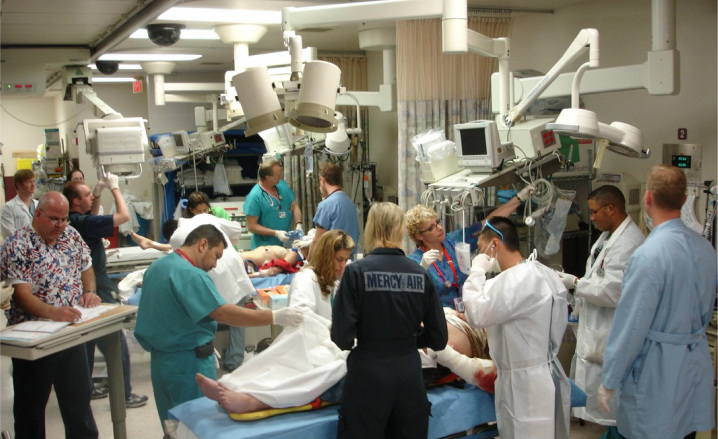
Trauma Assessment: The ABCDE Approach
A → Airway
        │
        ▼
B → Breathing
        │
        ▼
C → Circulation
        │
        ▼
D → Disability (Neurological Assessment)
        │
        ▼
E → Exposure & Complete Examination
This structured approach helps healthcare professionals identify life-threatening injuries quickly.
How Is Trauma Diagnosed?
Your doctor will first stabilize life-threatening conditions before investigating specific injuries.
Investigations may include:
| Investigation | Purpose |
|---|---|
| X-ray | Detect fractures and dislocations |
| CT Scan | Evaluate head, chest, abdomen, pelvis, and spine |
| MRI | Assess ligaments, spinal cord, and soft tissues |
| Ultrasound (FAST Scan) | Detect internal bleeding |
| Blood Tests | Assess blood loss and organ function |
Treatment Options
Treatment depends on the severity and type of injury.
Conservative Treatment
Suitable for selected injuries:
- Splints
- Casts
- Braces
- Pain medications
- Physiotherapy
Surgical Treatment
Surgery may be needed for:
- Displaced fractures
- Open fractures
- Joint dislocations
- Multiple injuries
- Internal bleeding
- Tendon or ligament injuries
Modern orthopaedic surgery often uses minimally invasive techniques whenever appropriate.
Recovery After Trauma
Recovery varies according to:
- Type of injury
- Age
- Overall health
- Associated injuries
- Rehabilitation
A structured rehabilitation program may include:
- Pain management
- Physiotherapy
- Strengthening exercises
- Balance training
- Gait training
- Occupational therapy
Preventing Trauma
Many traumatic injuries are preventable.
Road Safety
- Wear a seatbelt.
- Always wear a helmet while riding two-wheelers.
- Never drink and drive.
- Follow speed limits.
Home Safety
- Install handrails.
- Remove loose rugs.
- Ensure good lighting.
- Use non-slip bathroom mats.
Sports Safety
- Warm up before exercise.
- Wear protective equipment.
- Follow proper techniques.
- Avoid playing through significant pain.
Workplace Safety
- Use protective gear.
- Follow safety protocols.
- Lift heavy objects correctly.
- Maintain equipment regularly.
Important
Never attempt to straighten a severely injured limb or push an exposed bone back into the wound. Immobilize the injury and seek immediate medical attention.
Frequently Asked Questions
What is the difference between trauma and an injury?
Trauma is a broad medical term that refers to physical injury caused by an external force. An injury may range from a simple cut to severe multi-system trauma.
Should every fracture be treated in the emergency department?
Not always. However, open fractures, severe deformities, fractures with numbness, loss of circulation, or injuries following major accidents require urgent evaluation.
What is polytrauma?
Polytrauma refers to injuries involving multiple body systems, such as fractures combined with head, chest, or abdominal injuries.
How soon should trauma patients be evaluated?
Major trauma should be assessed immediately. Early diagnosis and treatment reduce complications and improve recovery.
Can trauma have long-term effects?
Yes. Depending on the injury, patients may experience chronic pain, stiffness, arthritis, weakness, or reduced mobility. Appropriate rehabilitation helps maximize recovery.
Trauma Prevention Checklist
Before driving, working, or participating in sports:
- Wear appropriate protective equipment.
- Follow traffic rules.
- Use proper lifting techniques.
- Warm up before exercise.
- Keep emergency contact information readily available.
- Do not ignore persistent pain after an injury.
Key Takeaways
Trauma is a medical emergency when it threatens life, limb, or long-term function.
- Road traffic accidents and falls are the leading causes of major trauma.
- Early first aid and prompt medical care improve outcomes.
- Open fractures, heavy bleeding, spinal injuries, and head injuries require emergency treatment.
- Modern trauma care combines rapid assessment, advanced imaging, surgical expertise, and rehabilitation.
- Prevention through safe practices remains the most effective strategy.
Book an Appointment
Whether you've sustained a fracture, sports injury, workplace accident, or road traffic injury, prompt assessment can significantly improve recovery and reduce complications.
At Spica Hospitals, we provide comprehensive trauma care, including 24×7 emergency services, digital X-ray, fracture fixation, joint reconstruction, ligament injury management, complex trauma surgery, and personalized rehabilitation to help patients return safely to their daily lives.