

Slip Disc (Herniated Disc): Symptoms & Treatment
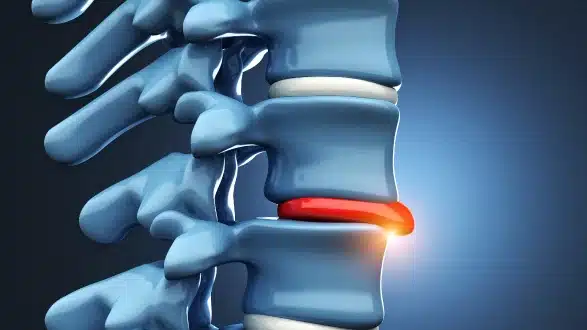
Back pain is one of the most common health problems worldwide, and a slip disc, also known as a herniated disc or prolapsed intervertebral disc (PIVD), is a frequent cause.
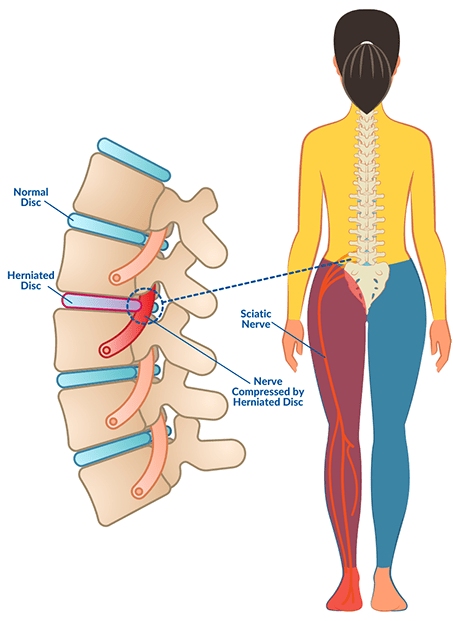
Despite the name, a disc does not actually "slip." Instead, part of the soft inner portion of the disc pushes through its outer layer, sometimes pressing on nearby nerves. This pressure can cause pain, numbness, tingling, or weakness that may travel down the arm or leg.
The good news is that most patients recover without surgery with the right treatment and rehabilitation.
What Is a Slip Disc?
The spine is made up of bones called vertebrae, separated by soft cushions known as intervertebral discs.
These discs act like shock absorbers, allowing the spine to bend, twist, and absorb pressure during everyday activities.
Each disc has:
- A tough outer ring (Annulus Fibrosus)
- A soft gel-like center (Nucleus Pulposus)
When the outer layer develops a tear, the inner material may bulge or herniate outward.
How Does a Disc Become Herniated?
A slip disc usually develops gradually due to age-related degeneration, but it can also occur suddenly after lifting a heavy object or twisting the back.
Common causes include:
- Age-related disc degeneration
- Improper lifting techniques
- Heavy manual labour
- Obesity
- Smoking
- Repetitive bending
- Prolonged sitting
- Sudden twisting injury
- Lack of regular exercise
Which Part of the Spine Is Most Commonly Affected?
| Spine Region | Common Symptoms |
|---|---|
| Cervical (Neck) | Neck pain, arm pain, numbness |
| Thoracic (Upper Back) | Rare, chest or upper back pain |
| Lumbar (Lower Back) | Back pain, sciatica, leg pain |
The lumbar spine (lower back) is the most frequently affected area because it bears much of the body's weight.
Common Symptoms
Symptoms depend on the size and location of the herniation.
Lower Back (Lumbar Disc)
Patients may experience:
- Lower back pain
- Pain radiating down one leg (Sciatica)
- Tingling in the foot
- Numbness
- Leg weakness
- Difficulty standing for long periods
- Pain while coughing or sneezing
Neck (Cervical Disc)
Symptoms may include:
- Neck pain
- Shoulder pain
- Pain radiating into the arm
- Hand numbness
- Tingling
- Weak grip strength
What Is Sciatica?
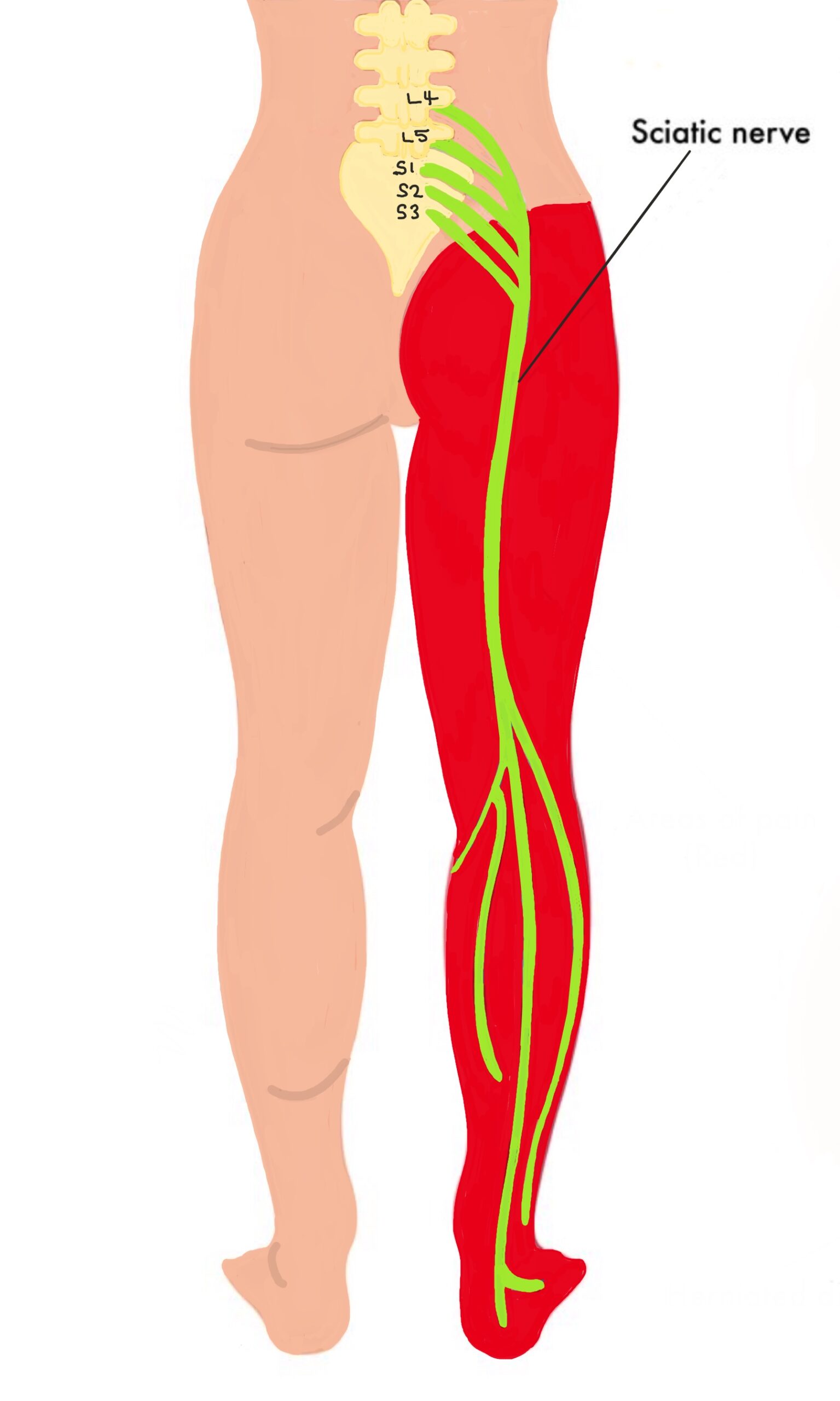
Sciatica is not a disease—it is a symptom.
When a herniated lumbar disc compresses the sciatic nerve, pain travels from the lower back into the buttock and down the leg.
Typical features include:
- Burning pain
- Electric shock-like sensation
- Tingling
- Numbness
- Pain extending below the knee
- Difficulty walking
Typical Progression
Disc Degeneration
        │
        ▼
Disc Bulge
        │
        ▼
Disc Herniation
        │
        ▼
Nerve Compression
        │
        ▼
Pain • Numbness • Weakness
Warning Signs That Require Immediate Medical Attention
Seek urgent medical care if you develop:
- Loss of bladder control
- Loss of bowel control
- Numbness around the groin or genital area
- Rapidly worsening leg weakness
- Difficulty walking due to weakness
- Severe pain after major trauma
- Fever associated with back pain
- Unexplained weight loss with persistent back pain
These symptoms may indicate a serious spinal condition requiring urgent evaluation.
How Is a Slip Disc Diagnosed?
Diagnosis begins with a detailed medical history and physical examination.
Your doctor may assess:
- Walking pattern
- Muscle strength
- Reflexes
- Sensation
- Straight Leg Raise (SLR) test
- Neck movement (for cervical disc problems)
Imaging
| Investigation | Purpose |
|---|---|
| X-ray | Evaluate bones and alignment |
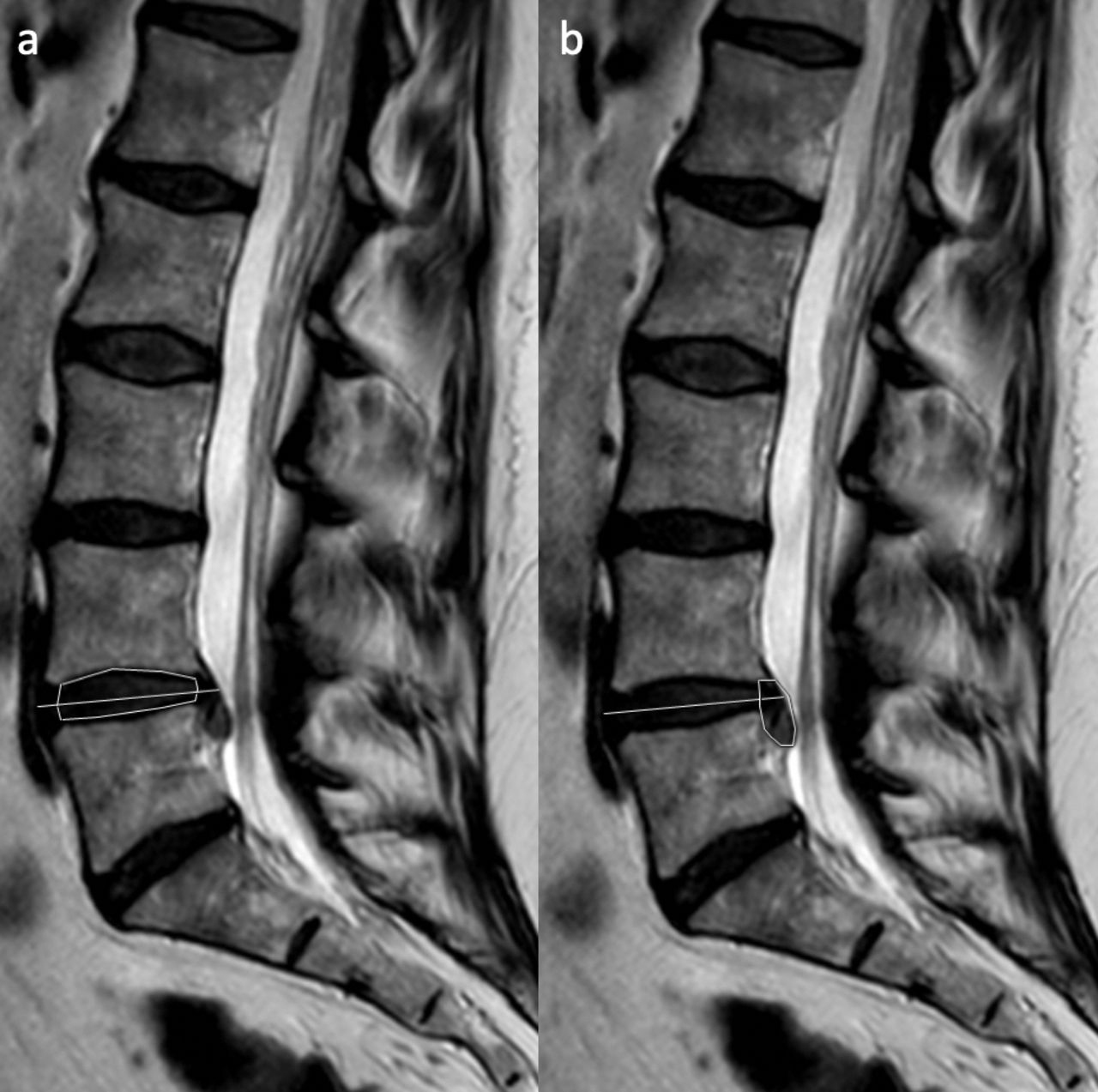
| MRI | Best test for disc herniation and nerve compression |
| CT Scan | Selected patients |
| Nerve Conduction Studies | Occasionally recommended |
MRI provides the most detailed information about the spinal discs and nerves.
Treatment Options
The majority of patients improve without surgery.
Treatment depends on:
- Severity of symptoms
- Neurological findings
- MRI results
- Daily activity limitations
- Duration of symptoms
Non-Surgical Treatment
Most patients begin with conservative treatment.
This may include:
- Short period of activity modification
- Pain-relieving medications
- Anti-inflammatory medicines
- Physiotherapy
- Supervised exercises
- Heat or ice therapy
- Lifestyle modifications
Complete bed rest is generally not recommended, as prolonged inactivity may delay recovery.
Physiotherapy
A structured rehabilitation program focuses on:
- Pain relief
- Core strengthening
- Flexibility
- Posture correction
- Walking training
- Safe lifting techniques
Consistency is one of the most important factors in recovery.
Epidural Steroid Injection
For selected patients with severe nerve pain that does not improve with medications and physiotherapy, an epidural steroid injection may help reduce inflammation around the affected nerve.
Your spine specialist will determine whether this treatment is appropriate.
When Is Surgery Needed?
Fortunately, most patients do not require surgery.
However, surgery may be recommended if:
- Leg weakness is worsening
- Symptoms persist despite adequate conservative treatment
- Severe nerve compression is present
- Walking becomes significantly impaired
- Bladder or bowel function is affected
- Pain severely limits quality of life
The decision is individualized based on clinical findings and imaging.
Common Spine Surgeries
Depending on the condition, procedures may include:
| Procedure | Purpose |
|---|---|
| Microdiscectomy | Remove herniated disc fragment |
| Endoscopic Discectomy | Minimally invasive disc removal |
| Laminectomy | Relieve nerve compression |
| Spinal Fusion | Stabilize selected spinal conditions |
Your surgeon will recommend the most appropriate procedure based on your diagnosis.

Exercises That May Help
Exercises should only be performed after proper medical evaluation.
Commonly recommended exercises include:
Walking
One of the safest and most beneficial activities during recovery.
Pelvic Tilt
Helps strengthen the core muscles supporting the spine.
Knee-to-Chest Stretch
May improve lower back flexibility in selected patients.
McKenzie Extension Exercises
Often recommended for certain types of lumbar disc herniation under physiotherapy supervision.
Exercise Tip
Never continue an exercise that significantly increases leg pain, numbness, or weakness. Rehabilitation should always be guided by a qualified healthcare professional.
Common Mistakes Patients Make
Avoid these common errors:
- Complete bed rest for several weeks
- Self-prescribing painkillers for months
- Ignoring progressive weakness
- Lifting heavy weights during recovery
- Returning to sports too early
- Skipping physiotherapy once pain improves
Frequently Asked Questions
Does a slipped disc always require surgery?
No.
Most patients improve with medications, physiotherapy, and activity modification without the need for surgery.
Can a slipped disc heal naturally?
In many cases, symptoms improve over time as inflammation decreases and the body gradually adapts to or reabsorbs the herniated disc material.
Is walking good for a slipped disc?
Walking is generally encouraged as part of recovery, provided it does not significantly worsen symptoms. Your doctor or physiotherapist will advise the appropriate level of activity.
Can I exercise in the gym?
Heavy lifting should usually be avoided during the acute phase. Return to gym activities should be gradual and based on medical advice.
Can a slipped disc come back?
Yes.
Recurrence is possible, particularly if underlying risk factors such as poor lifting technique, obesity, smoking, or weak core muscles are not addressed.
Tips to Protect Your Spine
Healthy habits can reduce the risk of future disc problems.
- Lift with your knees, not your back.
- Maintain a healthy body weight.
- Strengthen your core muscles regularly.
- Avoid prolonged sitting without breaks.
- Use proper posture while working.
- Stop smoking.
- Stay physically active.
- Avoid sudden twisting while lifting heavy objects.
Key Takeaways
A slip disc can be painful, but most patients recover without surgery when diagnosed early and treated appropriately.
- A herniated disc occurs when disc material presses on nearby nerves.
- Sciatica is a common symptom of lumbar disc herniation.
- MRI is the preferred imaging test for diagnosis.
- Physiotherapy and exercise play a central role in recovery.
- Surgery is reserved for selected patients with persistent symptoms or neurological deficits.
Book an Appointment
Persistent back pain, leg pain, or numbness should not be ignored—especially if symptoms are worsening or affecting your daily activities.
At Spica Hospitals, we provide comprehensive evaluation and evidence-based treatment for slipped discs, sciatica, spinal disorders, neck pain, back pain, fractures, and other orthopaedic conditions. Our goal is to help you recover safely while restoring mobility, comfort, and quality of life.