

Rotator Cuff Tear: Do You Need Surgery?
Shoulder pain is one of the most common musculoskeletal complaints, and a rotator cuff tear is among its leading causes. Many people immediately assume that a tear automatically means surgery—but that's not always true.
In reality, many rotator cuff tears can be successfully managed without an operation, while others require timely surgical repair to restore strength and function.
The key is identifying which type of tear you have and how it affects your daily life.

What Is the Rotator Cuff?
The rotator cuff is a group of four muscles and their tendons that surround the shoulder joint.
These muscles help:
- Lift the arm
- Rotate the shoulder
- Keep the shoulder stable
- Allow smooth overhead movement
When one or more of these tendons become torn, shoulder movement becomes painful and weak.

The Four Rotator Cuff Muscles
| Muscle | Primary Function |
|---|---|
| Supraspinatus | Starts lifting the arm |
| Infraspinatus | External rotation |
| Teres Minor | External rotation and stability |
| Subscapularis | Internal rotation |
What Causes a Rotator Cuff Tear?
Rotator cuff tears generally occur in two ways.
1. Degenerative Tears
These develop gradually over time due to natural wear and tear.
They are more common in people over the age of 50.
2. Traumatic Tears
These occur suddenly following an injury such as:
- Falling on an outstretched hand
- Lifting a heavy object
- Shoulder dislocation
- Road traffic accident
- Sports injury
Traumatic tears often occur in younger and more active individuals.
Common Symptoms
Symptoms vary depending on the size of the tear.
Patients commonly report:
- Shoulder pain
- Pain while lifting the arm
- Weakness
- Difficulty reaching overhead
- Night pain
- Pain while sleeping on the affected side
- Clicking sensation
- Difficulty combing hair
- Difficulty wearing clothes
Does This Sound Familiar?
You may have a rotator cuff tear if:
- You cannot comfortably lift your arm above shoulder level.
- Pain wakes you up at night.
- You struggle to lift everyday objects.
- Your shoulder feels weaker than before.
- Pain began after a fall or injury.
Clinical Insight
Shoulder pain that persists for more than six weeks despite rest and medications should be evaluated by an orthopaedic specialist.
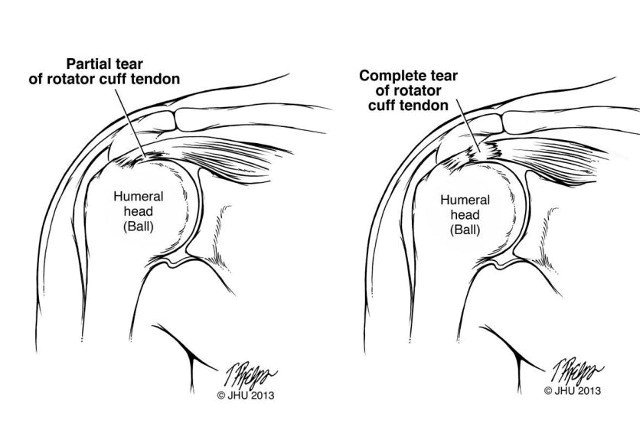
Partial Tear vs Complete Tear
| Partial Tear | Complete Tear |
|---|---|
| Tendon is only partly damaged | Tendon is completely detached |
| Mild to moderate weakness | Significant weakness |
| Often managed without surgery | Surgery is more commonly recommended in suitable patients |
| Recovery may occur with rehabilitation | May not regain full function without repair |
How Is It Diagnosed?
Diagnosis combines history, physical examination, and imaging.
Clinical Examination
Your doctor evaluates:
- Shoulder movement
- Muscle strength
- Pain location
- Shoulder stability
- Specific tendon function
Several specialized clinical tests help identify which tendon may be injured.
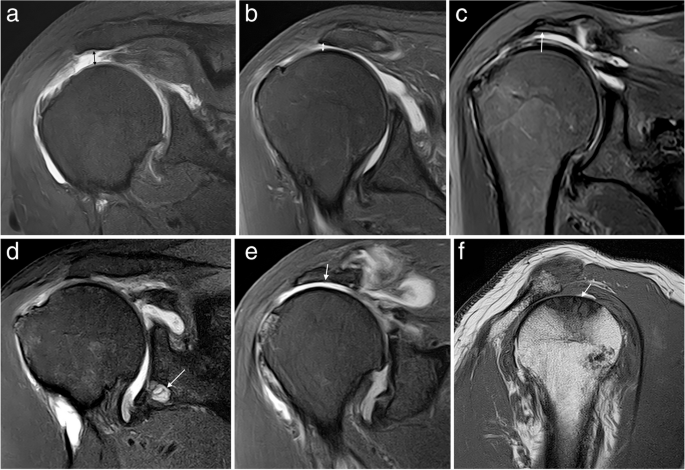
Imaging
| Investigation | Why It Is Done |
|---|---|
| X-ray | Rule out arthritis or fractures |
| Ultrasound | Detect tendon tears |
| MRI | Best assessment of tendon injuries and tear size |
| CT Scan | Selected complex cases |
MRI provides detailed information about:
- Tear size
- Tendon retraction
- Muscle quality
- Associated injuries
Do You Always Need Surgery?
No.
Many patients improve with non-surgical treatment.
The decision depends on several factors.
Non-Surgical Treatment May Be Appropriate If
- Tear is small
- Symptoms are mild
- Daily activities are not significantly affected
- Strength is reasonably preserved
- Patient has lower physical demands
- Pain improves with physiotherapy
Treatment may include:
- Activity modification
- Physiotherapy
- Anti-inflammatory medications
- Ice application
- Corticosteroid injection in selected cases
Surgery May Be Recommended If
Surgery is more likely to be considered when:
- The tear occurred after a significant injury
- The tendon is completely torn
- There is persistent weakness
- Pain continues despite months of conservative treatment
- The patient is young and physically active
- There is progressive loss of shoulder function
Early repair of certain traumatic tears may improve outcomes.
Decision Guide
Shoulder Pain
      │
      ▼
Clinical Examination
      │
      ▼
MRI Confirms Tear
      │
      ▼
───────────────
│             │
▼             ▼
Small Tear    Large Tear
│             │
▼             ▼
Physiotherapy Surgical Evaluation
│             │
▼             ▼
Improvement?  Tendon Repair
│
▼
Continue Rehabilitation
What Happens During Surgery?
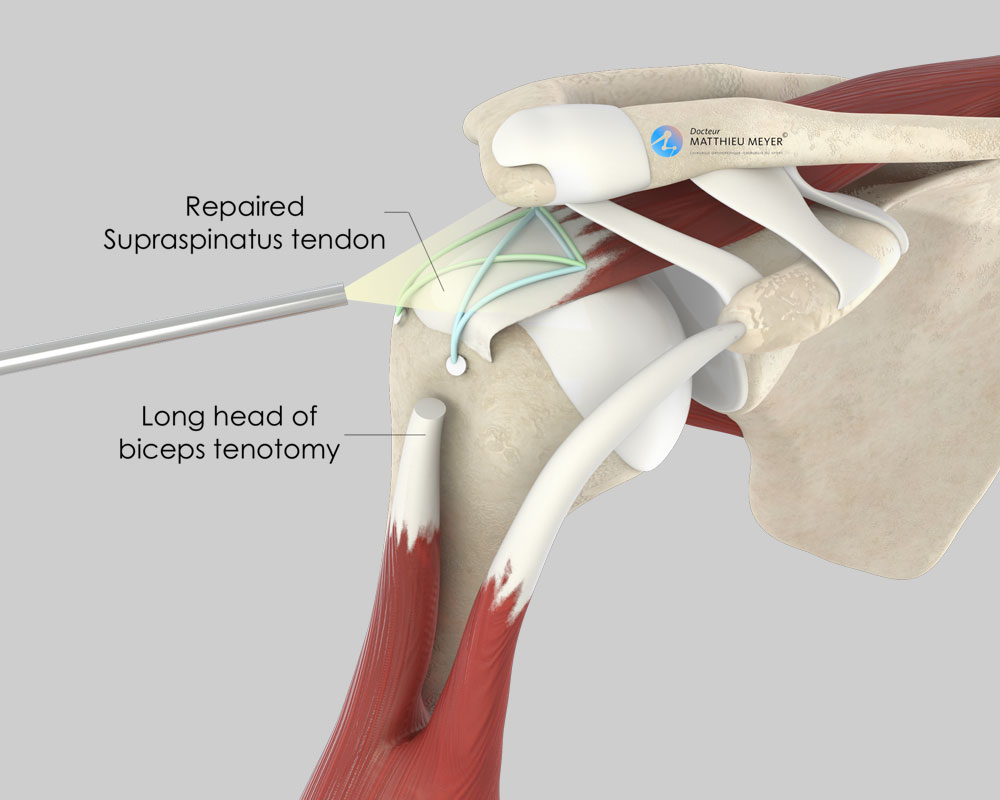
Most rotator cuff repairs today are performed using arthroscopic (keyhole) surgery.
Small instruments and a camera are inserted through tiny incisions to:
- Visualize the tear
- Clean damaged tissue
- Reattach the tendon to the bone using specialized anchors
Arthroscopic surgery generally results in smaller scars and less soft tissue disruption compared to traditional open surgery.
Recovery After Surgery
Recovery is gradual and requires commitment to rehabilitation.
| Time | Typical Milestone |
|---|---|
| First Few Weeks | Sling protection |
| 4–6 Weeks | Gentle shoulder movement |
| 6–12 Weeks | Strengthening exercises |
| 3–6 Months | Functional recovery |
| 6–12 Months | Continued improvement in strength and motion |
Recovery varies depending on the tear size, repair quality, age, and rehabilitation.
Rehabilitation Is Just as Important as Surgery
Successful recovery depends heavily on physiotherapy.
Rehabilitation focuses on:
- Pain control
- Restoring movement
- Strengthening shoulder muscles
- Improving flexibility
- Gradual return to daily activities
- Safe return to sports when appropriate
Common Mistakes Patients Make
Avoid these common problems during recovery:
- Ignoring shoulder pain for months
- Returning to heavy lifting too early
- Removing the sling without medical advice
- Skipping physiotherapy sessions
- Assuming pain relief means complete healing
Frequently Asked Questions
Can a rotator cuff tear heal naturally?
Small or partial tears may become less symptomatic with rehabilitation, but a completely detached tendon generally does not reattach on its own.
Is MRI always necessary?
MRI is commonly recommended when a rotator cuff tear is suspected because it provides detailed information about the tendons and surrounding soft tissues.
How long does surgery take?
Rotator cuff repair typically takes between one and two hours, depending on the complexity of the tear and any additional procedures performed.
Will I regain full shoulder movement?
Many patients regain excellent function after appropriate treatment and rehabilitation. The final outcome depends on factors such as tear size, age, tissue quality, and adherence to physiotherapy.
Can I avoid surgery forever?
Some patients manage well without surgery for years, while others experience worsening weakness or loss of function. Regular follow-up helps determine the most appropriate treatment.
When Should You See an Orthopaedic Surgeon?
Seek medical evaluation if you have:
- Shoulder pain lasting more than six weeks
- Inability to lift the arm
- Shoulder weakness after a fall
- Persistent night pain
- Difficulty performing routine activities
- Reduced shoulder strength compared with the opposite side
Early diagnosis may improve treatment options, especially after traumatic tendon tears.
Key Takeaways
A rotator cuff tear does not automatically mean you need surgery.
- Many partial tears improve with physiotherapy and conservative treatment.
- Complete or traumatic tears are more likely to require surgical repair in appropriate patients.
- MRI helps determine the size and severity of the tear.
- Early diagnosis and individualized treatment lead to the best outcomes.
- Rehabilitation plays a critical role, whether treatment is surgical or non-surgical.
Book an Appointment
Persistent shoulder pain should not be ignored, particularly if it limits your ability to work, exercise, or perform everyday tasks.
At Spica Hospitals, we provide comprehensive evaluation and treatment for rotator cuff tears, frozen shoulder, shoulder arthritis, sports injuries, fractures, and other shoulder disorders. Our goal is to restore pain-free movement through evidence-based, personalized care tailored to each patient.