

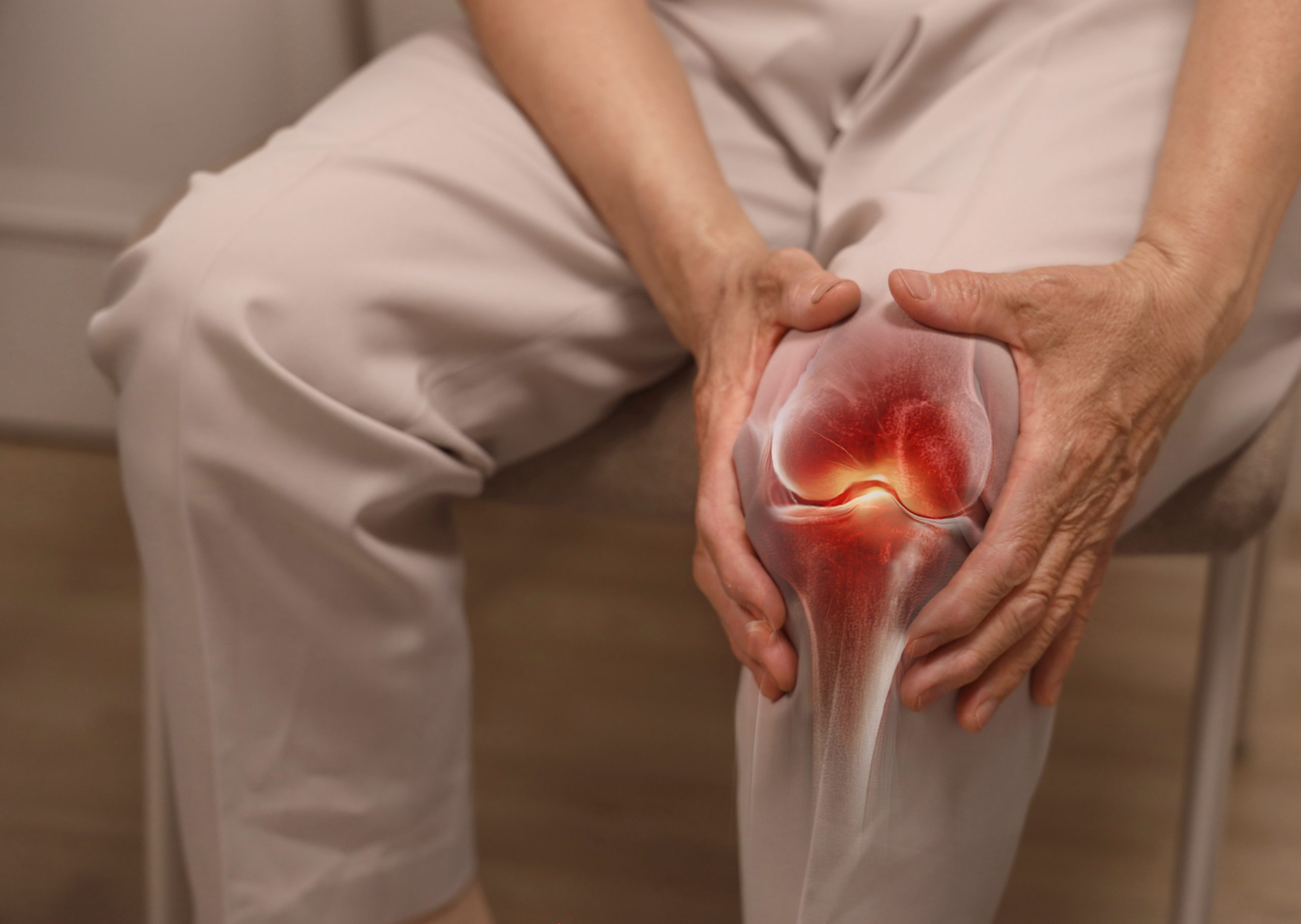
Knee Pain: Causes, Symptoms, Diagnosis & Treatment
Knee pain is one of the most common reasons people visit an orthopaedic clinic. It can affect people of all ages—from young athletes with sports injuries to elderly individuals with arthritis.
While some knee pain improves with rest, persistent pain should never be ignored because early treatment often prevents permanent joint damage.
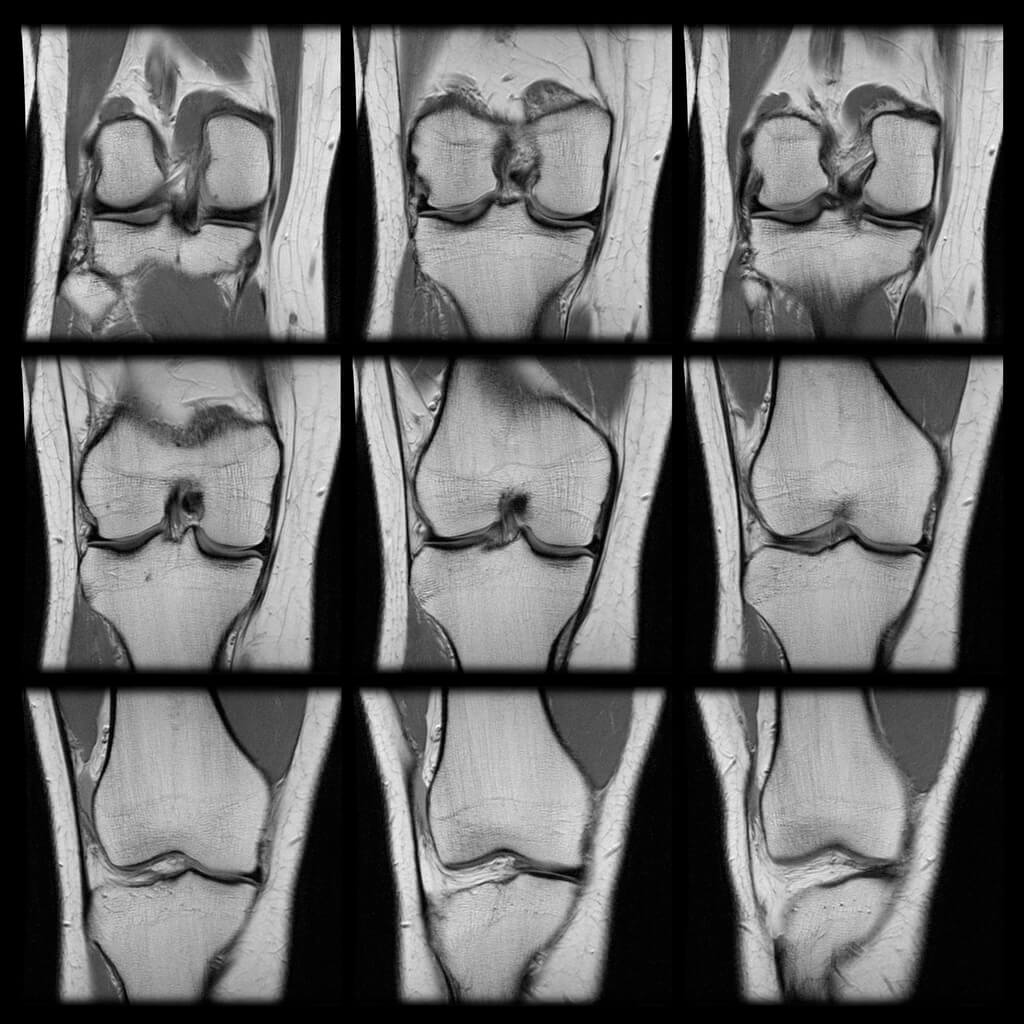
Illustration showing the major structures of the knee joint.
Why Does the Knee Hurt?
The knee is the largest joint in the human body and bears almost the entire body weight while walking, climbing stairs, running, or standing.
Pain may arise from:
- Bones
- Cartilage
- Ligaments
- Meniscus
- Tendons
- Muscles
- Synovial lining
- Infection
- Tumors (rare)
Common Causes of Knee Pain
| Cause | Common Age Group | Typical Symptoms |
|---|---|---|
| Osteoarthritis | >50 years | Pain while walking, stiffness |
| Ligament Injury | Young adults | Swelling after twisting injury |
| Meniscus Tear | Young & Middle age | Locking or clicking knee |
| Patellofemoral Pain | Teenagers & Young adults | Pain while climbing stairs |
| Rheumatoid Arthritis | Any age | Multiple joint pain |
| Gout | Adults | Sudden severe pain with swelling |
| Infection | Any age | Fever, severe pain, swelling |
| Bone Tumor (Rare) | Any age | Persistent pain, night pain |
Clinical Pearl
Knee pain that wakes you up at night, is associated with unexplained swelling, or persists despite rest should always be evaluated by an orthopaedic specialist.
Symptoms You Should Never Ignore
Seek medical attention if you experience:
- Persistent pain lasting more than two weeks
- Inability to bear weight
- Significant swelling
- Knee deformity
- Fever with knee pain
- Locking of the knee
- Recurrent instability
- Night pain
- Pain after a major injury
How Doctors Diagnose Knee Pain
Your orthopaedic surgeon may recommend:
Clinical Examination
- Walking assessment
- Joint movement
- Ligament testing
- Meniscus examination
- Alignment assessment
Imaging Tests
| Investigation | Purpose |
|---|---|
| X-ray | Arthritis, fractures |
| MRI | Ligaments, cartilage, meniscus |
| CT Scan | Complex fractures |
| Ultrasound | Tendons & fluid collection |
| Bone Scan | Selected conditions |
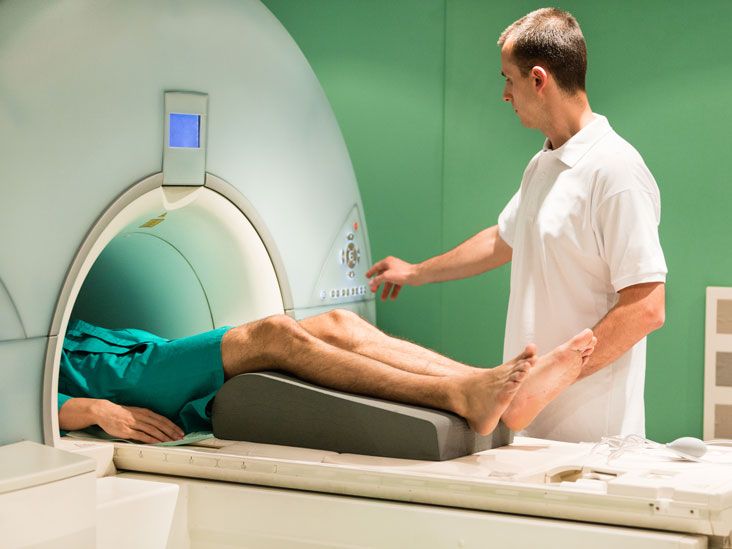
MRI helps evaluate ligaments, cartilage, menisci, and other soft tissue structures.
Treatment Options
Treatment depends entirely on the underlying cause.
Conservative Treatment
Many patients improve without surgery.
This may include:
- Activity modification
- Weight reduction
- Physiotherapy
- Ice application
- Knee braces
- Pain-relieving medications
- Lifestyle changes
Injection Therapy
Selected patients may benefit from:
- Corticosteroid injections
- Hyaluronic acid injections
- Platelet-Rich Plasma (PRP) in carefully selected cases
Your orthopaedic surgeon will decide whether these treatments are appropriate for your condition.
Surgical Treatment
Surgery may be recommended when conservative treatment fails or in cases of significant structural damage.
Common procedures include:
- Arthroscopy
- Ligament reconstruction (ACL/PCL)
- Meniscus repair
- Cartilage restoration procedures
- Osteotomy
- Partial knee replacement
- Total knee replacement
Can Knee Pain Be Prevented?
Yes. Many cases can be prevented by following healthy habits.
✅ Maintain a healthy body weight
✅ Exercise regularly
✅ Strengthen thigh muscles
✅ Warm up before sports
✅ Wear proper footwear
✅ Avoid sudden increase in activity
Frequently Asked Questions
Is every knee pain due to arthritis?
No. Knee pain can result from ligament injuries, meniscus tears, tendon problems, infections, inflammatory diseases, or, rarely, bone tumors.
When is MRI necessary?
MRI is usually recommended when soft tissue injuries such as ligament or meniscus damage are suspected or when X-rays do not explain persistent symptoms.
Can physiotherapy cure knee pain?
Physiotherapy is highly effective for many conditions, particularly muscle weakness, early arthritis, and certain sports injuries. The outcome depends on the underlying diagnosis.
Do all patients with arthritis need knee replacement?
No. Most patients are initially treated with medications, exercise, weight management, and physiotherapy. Knee replacement is generally considered when pain and disability remain severe despite appropriate non-surgical treatment.
When Should You Visit Spica Hospitals?
Consult an orthopaedic surgeon if you have:
- Persistent knee pain
- Difficulty walking
- Swelling after injury
- Recurrent instability
- Knee locking
- Night pain
- Suspected ligament injury
Early diagnosis often leads to simpler and more effective treatment.
Conclusion
Knee pain should never be ignored, especially when it interferes with daily life or continues despite rest. Modern orthopaedic care offers a wide range of treatments—from physiotherapy and medications to minimally invasive surgery and joint replacement—allowing most patients to return to an active lifestyle.
Related Articles
- When Does Knee Replacement Become Necessary?
- Arthritis vs. Ligament Injury – How to Tell the Difference
- Best Exercises for Healthy Knees
- Weight Loss and Knee Pain: How They Are Connected
Need expert advice?
Book an appointment with the Orthopaedics team at Spica Hospitals for a comprehensive evaluation and personalized treatment plan.