

Hip Replacement Surgery: What to Expect
Hip pain can gradually take away your independence. Walking becomes difficult, climbing stairs becomes painful, and even simple activities such as wearing shoes or getting out of bed become challenging.
For many patients with severe hip arthritis or other advanced hip conditions, hip replacement surgery offers an opportunity to return to an active and pain-free life.
If your doctor has recommended hip replacement surgery, understanding the entire journey—from the first consultation to full recovery—can help reduce anxiety and prepare you for a successful outcome.
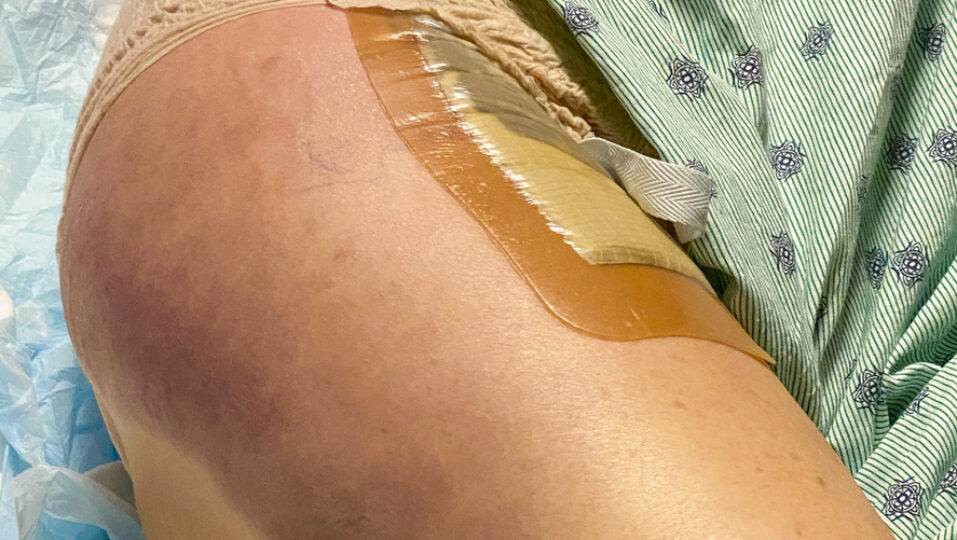
What Is Hip Replacement Surgery?
Hip replacement (also called Total Hip Arthroplasty) is a surgical procedure in which the damaged portions of the hip joint are replaced with artificial components designed to restore smooth, painless movement.
Instead of bones rubbing painfully against each other, the artificial joint allows the hip to move more comfortably.
Understanding the Hip Joint
The hip is a ball-and-socket joint.
- The ball is the head of the femur (thigh bone).
- The socket is a part of the pelvis called the acetabulum.
Healthy cartilage covers both surfaces, allowing smooth movement.
When cartilage wears away or the joint is severely damaged, every movement can become painful.

Who May Need Hip Replacement?
Hip replacement is considered when pain significantly affects daily life and non-surgical treatments are no longer effective.
Common conditions include:
| Condition | Hip Replacement May Be Needed |
|---|---|
| Osteoarthritis | Very Common |
| Avascular Necrosis (AVN) | Common |
| Rheumatoid Arthritis | Common |
| Hip Fracture | Selected Patients |
| Post-Traumatic Arthritis | Sometimes |
| Hip Dysplasia | Selected Cases |
Common Symptoms
Patients often experience:
- Groin pain while walking
- Difficulty climbing stairs
- Pain while getting up from a chair
- Stiffness of the hip
- Limping
- Reduced walking distance
- Difficulty wearing socks or shoes
- Pain disturbing sleep
Quick Self-Check
If you answer "Yes" to several of the following questions, it may be time to consult an orthopaedic surgeon.
- Do you have hip pain every day?
- Does walking require frequent rest?
- Do pain medications no longer provide adequate relief?
- Has your mobility decreased over the past year?
- Does pain interfere with sleep?
- Are routine household activities becoming difficult?
Important
Hip replacement is recommended based on symptoms, physical examination, imaging findings, and the impact on quality of life—not age alone.
Before Surgery
Proper preparation improves both safety and recovery.
Your surgeon may recommend:
Clinical Evaluation
- Complete physical examination
- Assessment of walking pattern
- Measurement of limb length
- Hip range of motion
- Medical history review
Investigations
| Test | Purpose |
|---|---|
| X-rays | Assess arthritis and joint damage |
| Blood Tests | General health evaluation |
| ECG | Cardiac assessment |
| Chest X-ray | Selected patients |
| Additional Imaging | Complex deformities or previous surgeries |
Medical Optimization
Before surgery, doctors ensure that conditions such as:
- Diabetes
- High blood pressure
- Heart disease
- Lung disease
- Anemia
are appropriately managed to reduce surgical risk.
What Happens on the Day of Surgery?
Although every hospital has its own protocol, the process generally follows these steps.
Hospital Admission
        │
        ▼
Final Evaluation
        │
        ▼
Anaesthesia
        │
        ▼
Hip Replacement Surgery
        │
        ▼
Recovery Room
        │
        ▼
Early Physiotherapy
        │
        ▼
Walking with Assistance
Most patients begin gentle movement soon after surgery under the guidance of the medical team.
During the Operation
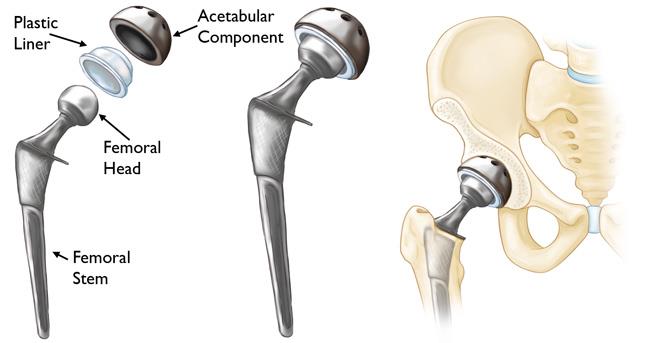
The damaged portions of the hip joint are carefully removed.
Artificial components are then placed to recreate a smooth, stable joint.
These components commonly include:
- Femoral stem
- Femoral head
- Acetabular cup
- Liner
Modern implants are designed to provide long-term function, although their longevity depends on several patient-related factors.
Recovery in the Hospital
Most patients are encouraged to begin moving early after surgery.
Your care team may help you:
- Sit comfortably
- Stand safely
- Walk with a walker
- Practice simple exercises
- Learn precautions for daily activities
Early mobilization helps reduce complications and supports faster recovery.
Recovery Timeline
| Time After Surgery | Typical Recovery Goals |
|---|---|
| Day 1 | Standing and short walks with assistance |
| Week 1 | Walking with a walker |
| Weeks 2–6 | Increasing strength and independence |
| 6–12 Weeks | Return to many daily activities |
| 3–6 Months | Continued improvement in mobility and function |
| 1 Year | Maximum recovery for many patients |
Recovery varies depending on age, overall health, muscle strength, and commitment to rehabilitation.
Physiotherapy After Hip Replacement
Physiotherapy is one of the most important parts of recovery.
The rehabilitation program focuses on:
- Walking training
- Hip strengthening
- Balance improvement
- Flexibility
- Stair climbing
- Functional independence
Patients who actively participate in rehabilitation generally achieve better outcomes.
Activities You Can Usually Return To
Following your surgeon's advice, many patients return to:
- Walking
- Travelling
- Driving (after medical clearance)
- Gardening
- Light household work
- Office work
- Swimming
- Cycling
High-impact activities may not be recommended for everyone.
Possible Risks
Hip replacement is generally considered a safe and successful procedure, but like any major surgery, it carries potential risks.
These may include:
- Infection
- Blood clots
- Hip dislocation
- Implant loosening over time
- Limb length difference
- Nerve injury (rare)
- Fracture around the implant (rare)
Your surgeon will discuss these risks based on your individual health and condition.
Common Myths
| Myth | Reality |
|---|---|
| Hip replacement is only for elderly patients. | Surgery is based on symptoms and joint damage, not age alone. |
| The implant needs to be replaced every few years. | Modern implants often function well for many years, although longevity varies. |
| Walking after surgery is unsafe. | Early walking is encouraged under supervision. |
| Recovery takes years. | Many patients notice significant improvement within the first few months. |
Practical Tips Before Surgery
Preparing your home in advance can make recovery easier.
Consider:
- Removing loose rugs
- Arranging frequently used items within easy reach
- Using supportive chairs
- Installing bathroom grab bars if needed
- Keeping walking aids ready
- Arranging assistance during the first few weeks
Frequently Asked Questions
How long does hip replacement surgery take?
The procedure usually takes between one and two hours, depending on the complexity of the case.
When can I start walking?
Many patients begin standing and walking with assistance within a day after surgery, following the advice of their medical team.
Will the artificial hip set off airport security scanners?
It may. Inform security personnel if required.
How long do hip implants last?
Modern implants often last many years, although longevity depends on factors such as age, activity level, body weight, implant type, and overall health.
Can both hips be replaced?
Yes.
Some patients undergo staged procedures, while selected individuals may be suitable candidates for bilateral hip replacement. The decision depends on the patient's overall health and the surgeon's assessment.
Will I be able to sit on the floor again?
This depends on the surgical approach, implant type, flexibility, and your surgeon's recommendations. Not every patient is advised to sit cross-legged or squat after surgery.
Key Takeaways
Hip replacement is one of the most successful orthopaedic procedures for relieving pain and restoring mobility in patients with advanced hip disease.
- Surgery is considered when symptoms significantly affect quality of life.
- Careful preparation contributes to safer surgery and smoother recovery.
- Early mobilization and physiotherapy are essential parts of rehabilitation.
- Most patients experience substantial improvements in pain, mobility, and daily function after successful hip replacement.
Book an Appointment
Persistent hip pain should never be accepted as a normal part of ageing. If walking, climbing stairs, or performing daily activities has become difficult, an orthopaedic evaluation can help determine the underlying cause and the most appropriate treatment.
At Spica Hospitals, our orthopaedic team provides comprehensive assessment, evidence-based treatment, and personalized rehabilitation plans for patients with hip arthritis, avascular necrosis, fractures, and other hip disorders.