

Sarcoma is a rare type of cancer that develops in the body's connective tissues, including bones, muscles, fat, nerves, blood vessels, and tendons. While a sarcoma diagnosis can feel overwhelming, advances in surgical techniques, imaging technology, and multidisciplinary cancer care have significantly improved treatment outcomes. For many patients, sarcoma surgery remains the most effective treatment for removing the tumor while preserving as much normal function as possible.
What Is Sarcoma Surgery?
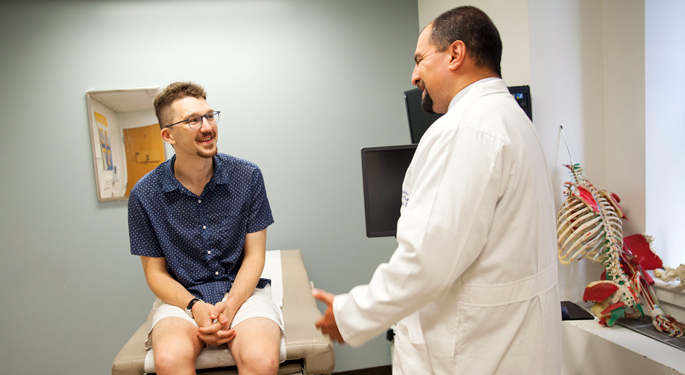
Sarcoma surgery is a specialized procedure performed to remove a cancerous tumor along with a margin of healthy tissue surrounding it. The primary goal is to eliminate all cancer cells while preserving nearby muscles, bones, nerves, and blood vessels whenever possible.
Sarcoma surgery is often tailored to each patient based on several factors, including:
- The type of sarcoma
- The size and location of the tumor
- Whether the sarcoma has spread
- The patient's age and overall health
- Whether previous treatments such as chemotherapy or radiation have been given
In many cases, surgery is performed as part of a multidisciplinary treatment plan involving orthopedic oncologists, surgical oncologists, medical oncologists, radiation oncologists, radiologists, and rehabilitation specialists.
Complete surgical removal with negative margins offers the best chance of long-term disease control for many localized sarcomas.
When Is Surgery Recommended?
Surgery is commonly recommended for patients with localized soft tissue sarcoma or bone sarcoma that has not spread extensively to distant organs.
It may be advised when:
- The tumor can be safely removed
- Limb preservation is possible
- The cancer has responded well to chemotherapy or radiation
- Surgery offers the best opportunity for cure
- Recurrent sarcoma remains operable
Even when sarcoma has spread, surgery may sometimes be considered to remove isolated metastatic tumors as part of an individualized treatment strategy.
Types of Sarcoma Surgery
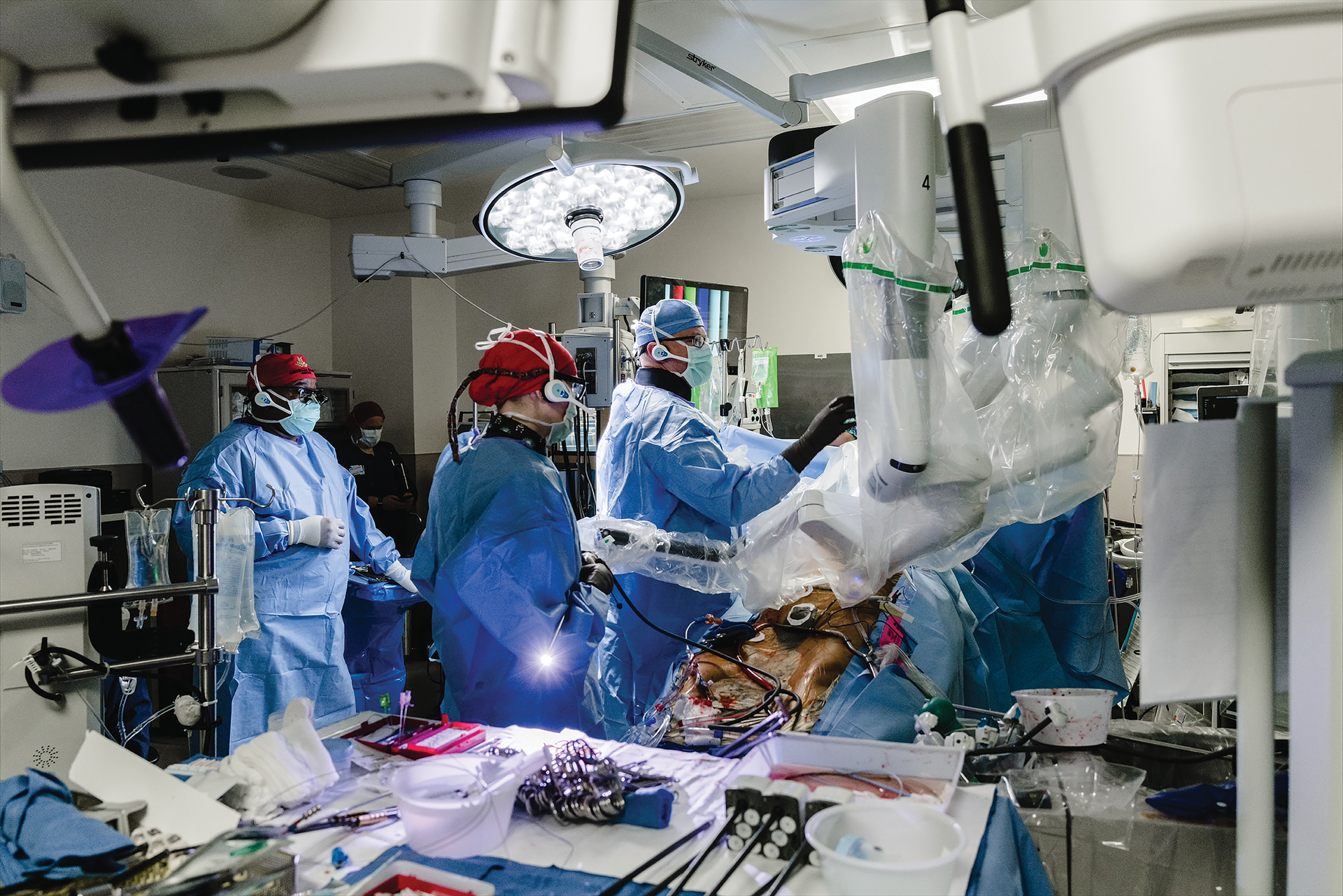
The type of surgery depends on the tumor's location and characteristics.
Limb-Sparing Surgery
This is the most common procedure for sarcomas affecting the arms or legs. Instead of removing the entire limb, surgeons remove the tumor while preserving nearby healthy structures whenever possible.
Modern limb-sparing techniques may involve:
- Bone reconstruction
- Metal prosthetic implants
- Biological grafts
- Soft tissue reconstruction
- Microsurgical reconstruction
Today, the majority of patients with extremity sarcoma are candidates for limb-sparing procedures.
Bone Tumor Resection
For bone sarcomas such as osteosarcoma or Ewing sarcoma, surgeons remove the affected section of bone and reconstruct it using implants, donor bone, or the patient's own bone.
Soft Tissue Sarcoma Excision
Soft tissue sarcomas are removed with an adequate margin of surrounding healthy tissue to reduce the risk of recurrence.
Reconstructive Surgery
Following tumor removal, plastic and reconstructive surgeons may rebuild muscles, tendons, skin, or bone to restore appearance and function.
Preparing for Sarcoma Surgery
Proper preparation helps optimize surgical outcomes.
Before surgery, your healthcare team may recommend:
- Detailed physical examination
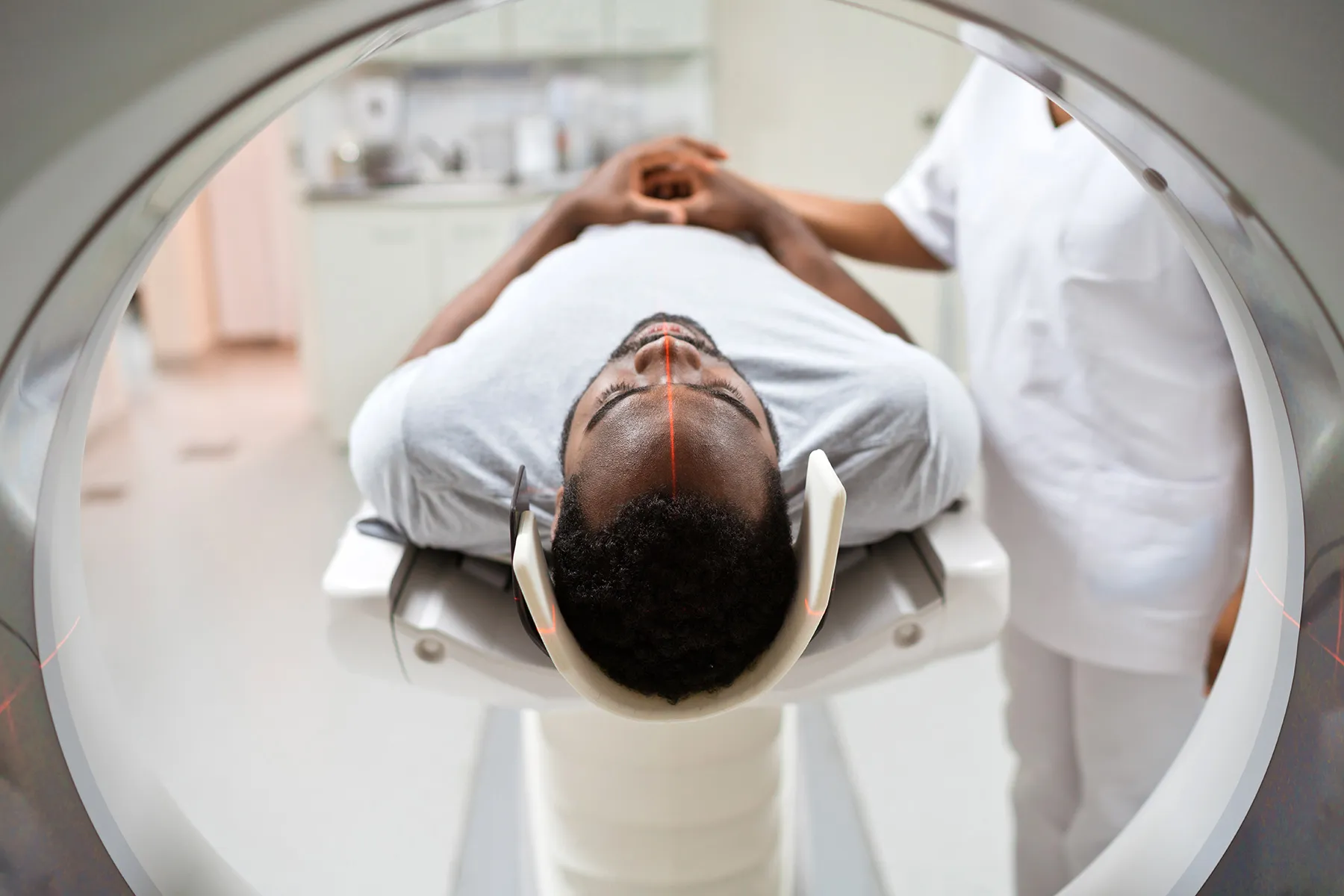
- MRI or CT scans to map the tumor
- Biopsy confirmation
- Blood investigations
- Cardiac and anesthesia evaluation
- Nutritional assessment
- Prehabilitation exercises to improve recovery
Some patients receive neoadjuvant chemotherapy or radiation therapy before surgery to shrink the tumor and improve surgical success.
What Happens During the Procedure?
Sarcoma surgery is performed under general anesthesia.
Although every operation is unique, the general process includes:
- Administration of anesthesia
- Careful exposure of the tumor
- Removal of the tumor with healthy tissue margins
- Protection or reconstruction of nearby nerves, muscles, and blood vessels when necessary
- Reconstruction using implants, grafts, or prostheses if required
- Wound closure and postoperative monitoring
Complex procedures may take several hours depending on tumor size and anatomical location.
Recovery After Sarcoma Surgery
Recovery varies depending on the type of surgery performed.
Patients can generally expect:
- Hospital stay ranging from several days to over a week
- Pain management with modern medications
- Early mobilization under supervision
- Physiotherapy to restore movement and strength
- Occupational therapy for daily activities
- Regular follow-up appointments
- Imaging studies to monitor healing and detect recurrence
Recovery may continue for several months, especially after reconstructive procedures.
Possible Risks and Complications
Like any major operation, sarcoma surgery carries certain risks.
Potential complications include:
- Infection
- Bleeding
- Blood clots
- Delayed wound healing
- Nerve injury
- Joint stiffness
- Reduced limb function
- Local recurrence of the tumor
- Need for additional surgery
Fortunately, careful surgical planning and experienced oncology teams help minimize these risks.
Early rehabilitation plays an important role in restoring mobility and improving long-term quality of life after sarcoma surgery.
Rehabilitation and Long-Term Care
Rehabilitation is an essential part of sarcoma treatment.
A personalized rehabilitation program may include:
- Physiotherapy
- Strength and balance training
- Gait training
- Occupational therapy
- Pain management
- Psychological support
- Nutritional counseling
Many patients gradually return to work, education, sports, and everyday activities with appropriate rehabilitation.
Follow-Up After Treatment
Regular follow-up visits are necessary because sarcoma can occasionally recur.
Your doctor may recommend:
- Physical examinations
- MRI scans
- CT scans
- Chest imaging to monitor for lung metastases
- Blood tests when appropriate
Follow-up schedules typically become less frequent over time if no recurrence is detected.
Can Sarcoma Surgery Cure Cancer?
For many patients with localized sarcoma, complete surgical removal offers the best chance of long-term survival and cure. Outcomes depend on several factors, including tumor size, grade, location, surgical margins, and whether the cancer has spread.
Even in more advanced cases, surgery often plays an important role alongside chemotherapy, radiation therapy, targeted therapy, or immunotherapy to improve disease control and quality of life.
When Should You See a Specialist?
Seek medical evaluation if you notice:
- A lump that continues growing
- Persistent bone pain
- Swelling that does not improve
- Difficulty using an arm or leg
- Unexplained fractures
- Painful masses that increase in size
Early diagnosis allows treatment to begin before the tumor becomes more advanced.
Conclusion
Sarcoma surgery has evolved tremendously over the past few decades, allowing many patients to undergo successful limb-preserving procedures while achieving excellent cancer control. With careful planning, advanced surgical techniques, comprehensive rehabilitation, and ongoing follow-up, many individuals can return to active and fulfilling lives after treatment.
If you or a loved one has been diagnosed with sarcoma, consult an experienced multidisciplinary sarcoma team to discuss the most appropriate treatment options. Early evaluation and expert surgical care can make a significant difference in both outcomes and quality of life.
For additional trusted information, visit the World Health Organization, the National Health Service (NHS), and the National Cancer Institute.