

Chemotherapy: Separating Myths from Facts
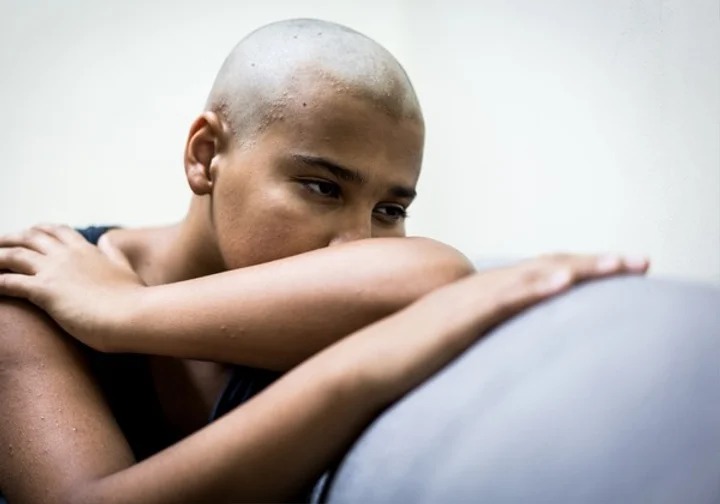
Receiving a cancer diagnosis is overwhelming, and for many patients, the word "chemotherapy" creates even more fear than the diagnosis itself.
Unfortunately, much of this fear comes from myths, outdated information, and stories shared by others.
Modern cancer treatment has advanced significantly. Today's chemotherapy is safer, more personalized, and supported by effective medications that reduce side effects.
Quick Facts
| Fact | Information |
|---|---|
| Chemotherapy has been used for decades | ✅ Yes |
| Every patient loses hair | ❌ No |
| Everyone experiences severe vomiting | ❌ No |
| Many patients continue working during treatment | ✅ Yes |
| Treatment plans are individualized | ✅ Yes |
Myth #1
❌ Chemotherapy Always Means Cancer Is Advanced
✅ Fact
Chemotherapy is used in many stages of cancer, not just advanced disease.
It may be given:
- Before surgery
- After surgery
- Along with radiation
- To reduce recurrence
- To control advanced cancer
- To relieve symptoms
Treatment goals vary depending on the type and stage of cancer.

Myth #2
❌ Every Patient Loses Hair
✅ Fact
Hair loss depends on the specific chemotherapy drugs.
Some medicines cause complete hair loss.
Others cause only mild thinning.
Many treatments cause no hair loss at all.
Hair usually begins growing back after treatment ends.
Myth #3
❌ Chemotherapy Is Extremely Painful
✅ Fact
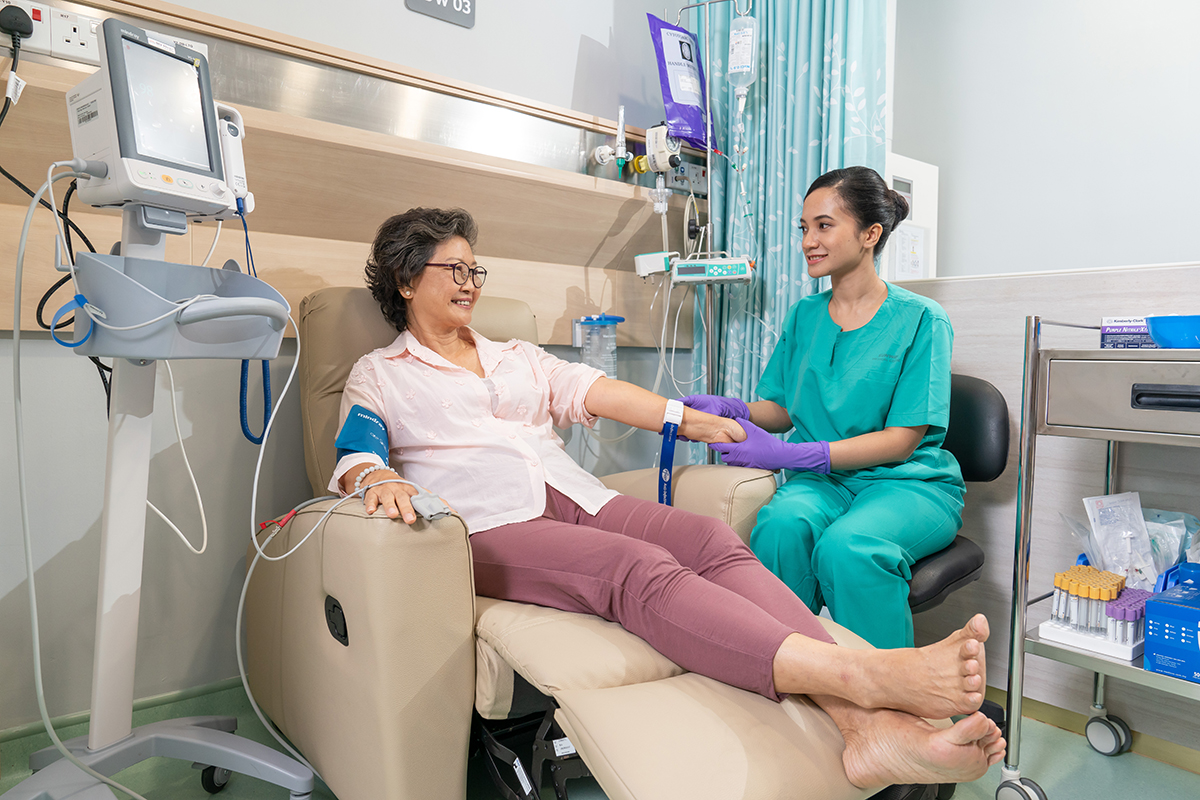
Chemotherapy itself is usually given through an IV infusion or injection.
Most patients do not experience pain during the infusion.
Some medicines may cause temporary discomfort or irritation, but severe pain during treatment is uncommon.
Patient Tip
If you experience burning, swelling, or pain around the IV site during treatment, inform your nurse immediately.
Myth #4
❌ Everyone Has Severe Vomiting
✅ Fact
Modern anti-nausea medicines have dramatically improved patient comfort.
Many patients complete treatment with little or no vomiting.
Your oncologist prescribes medications based on the chemotherapy regimen being used.
Myth #5
❌ Chemotherapy Weakens Everyone Permanently
✅ Fact
Fatigue is common, but it is usually temporary.
Energy gradually returns after treatment is completed.
Light physical activity often helps reduce fatigue.
Myth #6
❌ You Cannot Eat Anything During Chemotherapy
✅ Fact
Most patients should continue eating a balanced diet.
Recommended foods include:
- Fresh fruits (as advised)
- Vegetables
- Whole grains
- Protein-rich foods
- Plenty of fluids
Your doctor may recommend dietary modifications depending on your condition.

Myth #7
❌ Chemotherapy Is Contagious
✅ Fact
Cancer is not contagious, and chemotherapy cannot spread cancer to family members.
Patients can safely spend time with loved ones while following their doctor's advice regarding infection precautions.
Myth #8
❌ Chemotherapy Always Requires Hospital Admission
✅ Fact
Most chemotherapy is given as daycare treatment.
Patients often receive treatment and return home the same day.
Hospital admission is only required in selected situations.
Myth #9
❌ Elderly Patients Cannot Receive Chemotherapy
✅ Fact
Age alone does not determine eligibility.
Many older adults tolerate chemotherapy well.
Your oncologist evaluates:
- Overall health
- Heart function
- Kidney function
- Liver function
- Daily activity level
before recommending treatment.
Myth #10
❌ Chemotherapy Always Destroys the Immune System
✅ Fact
Some chemotherapy drugs temporarily lower white blood cell counts.
Doctors monitor blood counts regularly and may prescribe medications to support recovery when necessary.
Myth #11
❌ If Side Effects Occur, Treatment Must Stop
✅ Fact
Many side effects can be managed by:
- Adjusting doses
- Supportive medications
- Hydration
- Nutritional support
- Temporary treatment delays if needed
Stopping treatment permanently is not always necessary.
Myth #12
❌ Chemotherapy Is the Same for Every Cancer
✅ Fact
Treatment is highly personalized.
Different cancers require different drugs, schedules, and combinations.
Even two patients with the same cancer type may receive different treatment plans.
Myth #13
❌ Natural Remedies Can Replace Chemotherapy
✅ Fact
No herbal medicine or alternative therapy has been proven to replace evidence-based chemotherapy for cancers where chemotherapy is recommended.
Always discuss supplements with your oncologist, as some may interfere with treatment.
Myth #14
❌ You Must Stay in Bed Throughout Treatment
✅ Fact
Most patients are encouraged to remain physically active within their comfort level.
Walking, stretching, and light exercise may help reduce fatigue and maintain muscle strength.
Myth #15
❌ Chemotherapy Means There Is No Hope
✅ Fact
Chemotherapy has helped millions of people worldwide.
Depending on the cancer type and stage, it may:
- Cure cancer
- Reduce recurrence
- Shrink tumors
- Improve survival
- Relieve symptoms
- Improve quality of life
Common Side Effects
Not every patient experiences every side effect.
| Possible Side Effect | Can It Be Managed? |
|---|---|
| Nausea | ✅ Usually |
| Hair Loss | ✅ Temporary in many cases |
| Fatigue | ✅ Often improves after treatment |
| Mouth Ulcers | ✅ Yes |
| Low Blood Counts | ✅ Closely monitored |
| Loss of Appetite | ✅ Nutritional support available |
Tips Before Your Chemotherapy Session
✔ Eat a light meal unless advised otherwise.
✔ Drink plenty of water.
✔ Carry previous reports.
✔ Wear comfortable clothing.
✔ Bring a family member if needed.
✔ Inform your doctor about any fever, cough, or new symptoms before treatment.
When Should You Contact Your Doctor Immediately?
Seek medical attention if you develop:
🚨 Fever above 100.4°F (38°C)
🚨 Difficulty breathing
🚨 Persistent vomiting
🚨 Uncontrolled diarrhea
🚨 Severe bleeding
🚨 Extreme weakness
🚨 Chest pain
Early medical attention can prevent serious complications.
Frequently Asked Questions
Can I continue working during chemotherapy?
Many patients continue working, depending on their treatment schedule, overall health, and the nature of their job.
Will chemotherapy affect fertility?
Some chemotherapy drugs may affect fertility. If future family planning is important to you, discuss fertility preservation options with your oncologist before treatment begins.
Can I travel during chemotherapy?
Travel may be possible for some patients, but it should always be discussed with your treating oncologist, especially if blood counts are low or treatment is ongoing.
Can I exercise?
Light to moderate physical activity is often encouraged if you feel well enough. Always follow your healthcare team's advice.
Key Takeaways
✅ Modern chemotherapy is safer than many people believe.
✅ Not every patient experiences severe side effects.
✅ Treatment plans are personalized for each individual.
✅ Open communication with your oncology team helps manage side effects effectively.
Remember: Never delay or refuse chemotherapy because of myths or stories from others. Every patient's cancer journey is unique, and your treatment plan is designed specifically for your condition.
Related Articles
- How to Prepare for Your First Chemotherapy Session
- Understanding Targeted Therapy
- Immunotherapy Explained
- Nutrition During Cancer Treatment
- Early Signs of Cancer You Should Never Ignore
Book a Consultation
If you or a loved one has been advised to undergo chemotherapy, consult the oncology team at Spica Hospitals. We believe that informed patients make confident decisions, and we are committed to providing compassionate, evidence-based cancer care.