

Arthritis vs. Ligament Injury: How to Tell the Difference
Knee pain is one of the most common reasons people visit an orthopaedic clinic. However, not all knee pain has the same cause.
Two of the most frequent conditions are arthritis and ligament injuries. While both can cause pain, swelling, and difficulty walking, they differ significantly in their causes, symptoms, treatment, and long-term outcomes.
Understanding these differences can help you seek timely treatment and avoid unnecessary delays.
At a Glance
| Feature | Arthritis | Ligament Injury |
|---|---|---|
| Cause | Wear and tear or inflammation | Sudden injury or trauma |
| Onset | Gradual | Sudden |
| Common Age | Usually above 45 years | Any age, especially young adults |
| Swelling | Mild to moderate | Often immediate and significant |
| Pain | Develops gradually | Sudden, sharp pain |
| Knee Stability | Usually stable | May feel unstable or "give way" |
| Treatment | Medicines, physiotherapy, injections, surgery | Physiotherapy or ligament reconstruction |
Understanding Arthritis
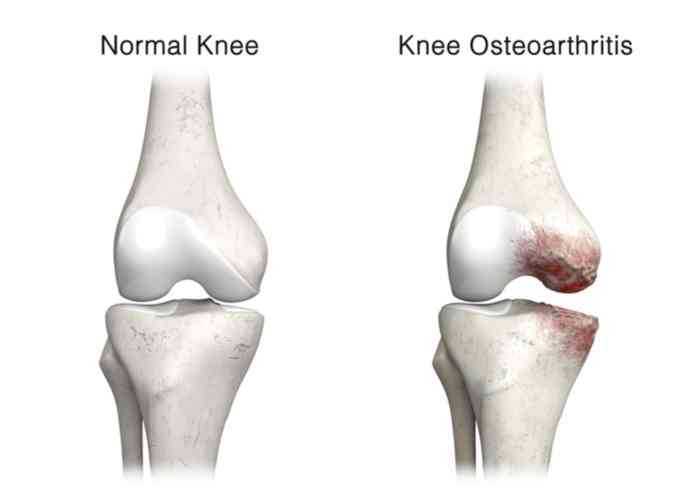
Arthritis is a condition where the smooth cartilage covering the ends of bones gradually wears away. As cartilage becomes thinner, the bones begin rubbing against each other, causing pain, stiffness, and reduced movement.
The most common form affecting the knee is osteoarthritis, although inflammatory arthritis such as rheumatoid arthritis can also involve the joint.

Common Symptoms of Arthritis
Patients often report:
- Gradually increasing knee pain
- Morning stiffness
- Difficulty climbing stairs
- Pain after prolonged walking
- Grinding or crackling sensation
- Swelling after activity
- Bow-leg or knock-knee deformity in advanced stages
Arthritis usually develops over months or years rather than overnight.
Understanding Ligament Injuries
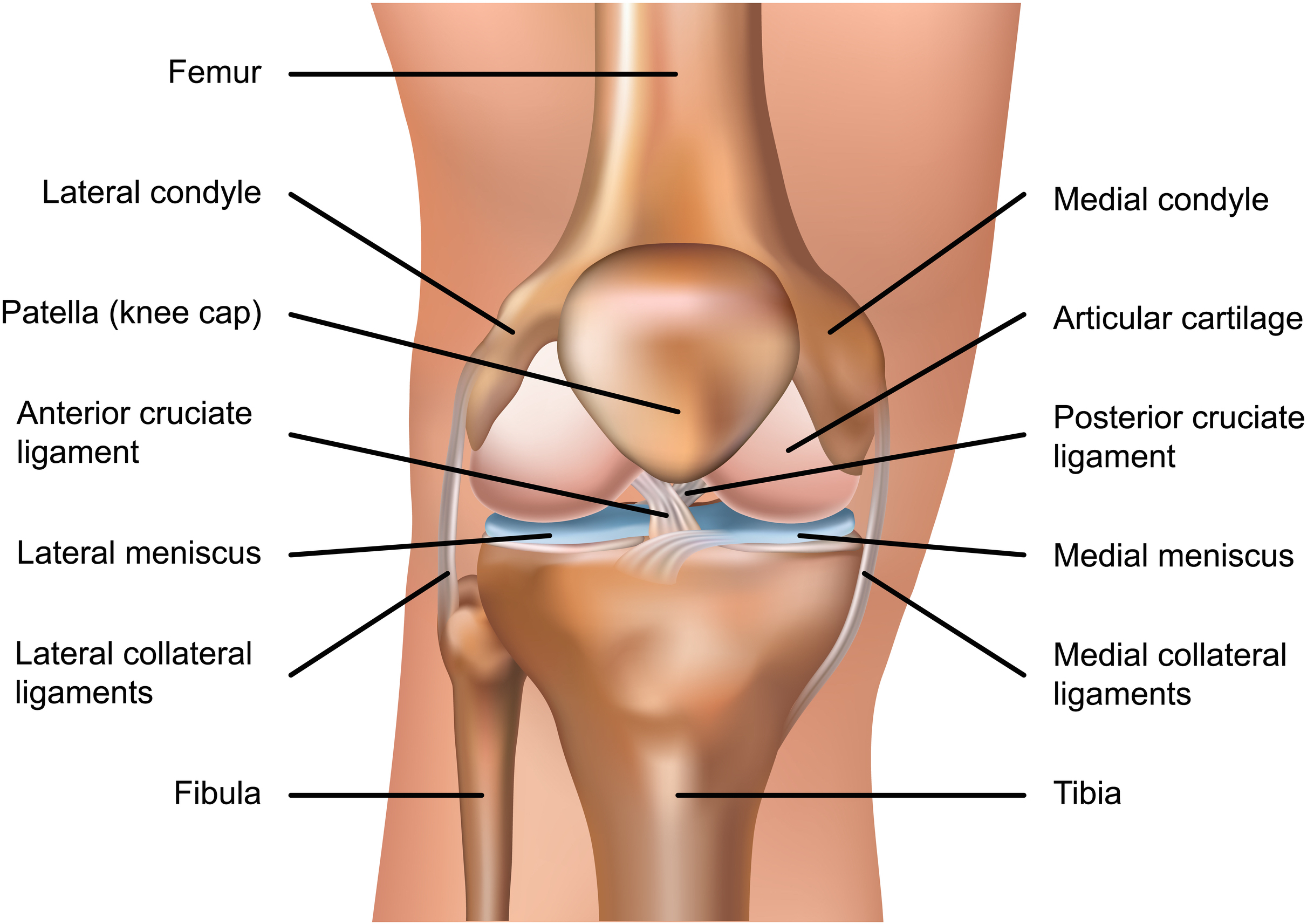
Ligaments are strong bands of tissue that connect bones and stabilize the knee joint.
A ligament injury usually occurs after a sudden twisting movement, sports injury, road traffic accident, or fall.
The most commonly injured ligaments include:
- Anterior Cruciate Ligament (ACL)
- Posterior Cruciate Ligament (PCL)
- Medial Collateral Ligament (MCL)
- Lateral Collateral Ligament (LCL)
Common Symptoms of a Ligament Injury
Symptoms often include:
- Sudden severe pain
- A popping sensation at the time of injury
- Rapid swelling within hours
- Difficulty bearing weight
- Knee giving way
- Feeling of instability
- Reduced confidence while walking or running
Unlike arthritis, ligament injuries are usually linked to a specific injury or traumatic event.
How the Symptoms Differ
| Symptom | Arthritis | Ligament Injury |
|---|---|---|
| Pain starts | Slowly | Immediately after injury |
| Swelling | Develops gradually | Often appears within hours |
| Walking | Painful but stable | Knee may buckle |
| Stiffness | Common | Less prominent initially |
| Clicking | May occur | May occur |
| Instability | Uncommon | Very common |
| Night pain | Possible in advanced arthritis | Less common |
What Causes Arthritis?
Several factors increase the risk of arthritis:
- Increasing age
- Obesity
- Previous fractures
- Old ligament injuries
- Family history
- Repetitive heavy work
- Rheumatoid arthritis
- Previous joint infection
What Causes Ligament Injuries?
Common causes include:
- Football
- Cricket
- Kabaddi
- Basketball
- Skiing
- Gym accidents
- Road traffic accidents
- Falls from height
- Twisting injuries while walking
Physical Examination
An orthopaedic surgeon can often differentiate between arthritis and ligament injuries through a detailed clinical examination.
For arthritis, doctors assess:
- Joint tenderness
- Range of motion
- Alignment
- Crepitus (grinding sensation)
For ligament injuries, they perform specialized stability tests such as:
- Lachman Test
- Anterior Drawer Test
- Posterior Drawer Test
- Pivot Shift Test
- Varus and Valgus Stress Tests
Investigations
| Investigation | Arthritis | Ligament Injury |
|---|---|---|
| X-ray | Excellent | Usually normal |
| MRI | Sometimes needed | Gold standard |
| CT Scan | Selected cases | Complex injuries |
| Blood Tests | Inflammatory arthritis | Rarely required |

Can Both Conditions Occur Together?
Yes.
A patient with arthritis may also sustain a ligament injury after a fall.
Similarly, an untreated ACL tear can increase abnormal joint movement over several years, potentially leading to early arthritis.
This is why an accurate diagnosis is essential.
Treatment Comparison
| Treatment | Arthritis | Ligament Injury |
|---|---|---|
| Weight loss | Helpful | Helpful if overweight |
| Physiotherapy | Essential | Essential |
| Pain medications | Frequently used | Short-term use |
| Knee brace | Sometimes | Commonly used |
| Injections | Selected patients | Rarely required |
| Arthroscopy | Selected cases | Common for ligament reconstruction |
| Knee replacement | Advanced arthritis | Not indicated for isolated ligament tears |
When Should You Seek Immediate Medical Care?
Consult an orthopaedic surgeon promptly if you experience:
- Inability to bear weight
- Severe swelling after an injury
- Knee deformity
- Knee locking
- Persistent pain lasting more than two weeks
- Recurrent episodes of the knee giving way
- Fever with a swollen knee
- Night pain that does not improve with rest
Clinical Insight
Not every painful knee requires surgery.
Many ligament injuries recover well with structured rehabilitation, while early arthritis can often be managed successfully through lifestyle changes, physiotherapy, and medications.
The key is identifying the underlying problem before deciding on treatment.
Frequently Asked Questions
Can arthritis cause sudden knee pain?
Yes, but arthritis usually develops gradually. Sudden severe pain may occur if there is an acute flare-up, meniscus tear, fracture, or crystal arthritis such as gout.
Can ligament injuries heal without surgery?
Some ligament injuries, particularly partial tears or injuries involving certain collateral ligaments, may heal with physiotherapy and appropriate rehabilitation. Complete ligament tears, especially in active individuals, may require reconstruction.
Which scan is better—X-ray or MRI?
They serve different purposes.
- X-rays are best for evaluating bones, arthritis, and fractures.
- MRI provides detailed information about ligaments, cartilage, menisci, tendons, and other soft tissues.
Your doctor will recommend the appropriate investigation based on your symptoms and examination findings.
Can young people develop arthritis?
Yes.
Although arthritis is more common in older adults, younger individuals may develop it due to previous injuries, inflammatory diseases, infections, obesity, or congenital joint abnormalities.
Key Takeaways
- Arthritis usually develops gradually, whereas ligament injuries typically occur suddenly after trauma.
- Arthritis mainly affects the joint cartilage, while ligament injuries damage the stabilizing structures of the knee.
- X-rays are usually sufficient to diagnose arthritis, whereas MRI is often required to evaluate ligament injuries.
- Early diagnosis and appropriate treatment improve long-term outcomes and help preserve knee function.
Book an Appointment
Persistent knee pain should never be ignored. Whether your symptoms are due to arthritis, a ligament injury, or another condition, an accurate diagnosis is the first step toward effective treatment.
Schedule a consultation with the Orthopaedics team at Spica Hospitals for a comprehensive evaluation and a personalized treatment plan.