

ACL Tear: Symptoms, Diagnosis & Treatment
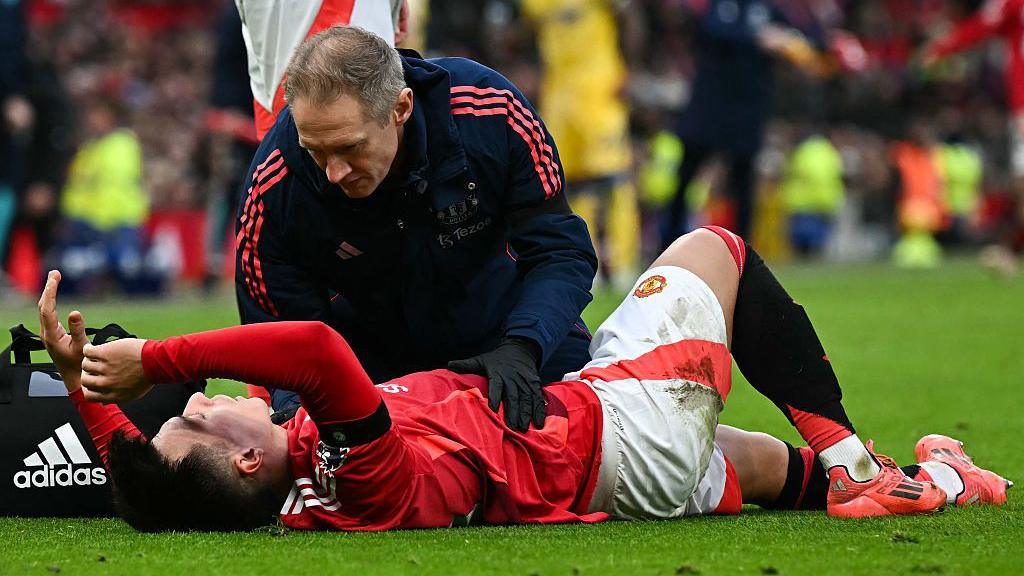
An ACL (Anterior Cruciate Ligament) tear is one of the most common knee injuries among athletes, but it can also occur during everyday activities such as slipping on wet floors or twisting the knee while getting off a bike.
The ACL acts like one of the knee's primary stabilizers. When it tears, the knee may feel unstable, especially during running, pivoting, or sudden changes in direction.
Quick Facts
| Fact | Information |
|---|---|
| Most commonly injured ligament | ACL |
| Common age group | 15–40 years |
| Most frequent cause | Twisting injury |
| Best imaging test | MRI |
| Can everyone avoid surgery? | No |
| Recovery after reconstruction | Usually 6–9 months |
What Exactly Is the ACL?
The Anterior Cruciate Ligament (ACL) connects the thigh bone (femur) to the shin bone (tibia).
Its primary functions are to:
- Prevent the tibia from sliding forward
- Control rotational movements
- Stabilize the knee during sports
- Protect other knee structures

How Does an ACL Tear Happen?
Most ACL injuries occur without direct contact.
Common situations include:
- Sudden change in direction
- Landing awkwardly after a jump
- Twisting while the foot remains planted
- Football injuries
- Kabaddi
- Basketball
- Cricket
- Skiing
- Road traffic accidents
Typical Story Patients Describe
"I turned suddenly."
"I heard a pop."
"My knee gave way."
"It swelled within a few hours."
These are classic features of an ACL injury.
Do You Have These Symptoms?
Immediate Symptoms
- Sudden severe pain
- Audible "pop"
- Rapid swelling
- Difficulty walking
- Feeling something snapped
Later Symptoms
- Knee giving way
- Difficulty running
- Difficulty climbing stairs
- Recurrent instability
- Fear of pivoting
Self-Assessment Checklist
How many of these apply to you?
- Sudden twisting injury
- Heard a pop
- Knee swelled within 24 hours
- Knee feels unstable
- Difficulty playing sports
- Repeated episodes of giving way
Three or more positive answers warrant evaluation by an orthopaedic surgeon.
What Happens Inside the Knee?
Twisting Injury
        │
        ▼
ACL Tears
        │
        ▼
Bleeding Inside Knee
        │
        ▼
Swelling
        │
        ▼
Instability
        │
        ▼
Possible Meniscus Damage
        │
        ▼
Early Arthritis (if untreated)
How Is an ACL Tear Diagnosed?
Diagnosis involves more than an MRI.
Step 1 — Clinical Examination
Your surgeon performs special tests including:
- Lachman Test
- Pivot Shift Test
- Anterior Drawer Test
Step 2 — X-ray
Although X-rays do not show the ACL itself, they help exclude fractures and assess overall knee alignment.
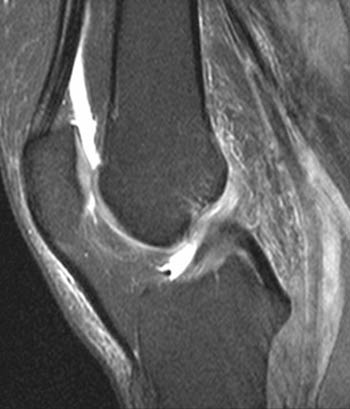
Step 3 — MRI
MRI is the investigation of choice for:
- ACL tears
- Meniscus injuries
- Cartilage damage
- Bone bruises
- Associated ligament injuries
Do All ACL Tears Need Surgery?
No.
Treatment depends on several factors.
| Patient | Surgery Usually Recommended? |
|---|---|
| Young athlete | Usually Yes |
| Professional sportsperson | Usually Yes |
| Sedentary elderly patient | Often No |
| Partial tear | Sometimes |
| Recurrent instability | Usually Yes |
The decision is individualized based on activity level, symptoms, associated injuries, and patient goals.
Treatment Options
Non-Surgical Treatment
Suitable for selected patients.
It may include:
- Rest
- Ice therapy
- Compression
- Elevation
- Knee brace
- Physiotherapy
- Muscle strengthening
- Activity modification
Surgical Treatment
ACL reconstruction replaces the torn ligament using a graft.
Common graft choices include:
| Graft Type | Commonly Used In |
|---|---|
| Hamstring tendon | Many adults |
| Patellar tendon | Selected athletes |
| Quadriceps tendon | Increasingly used |
| Allograft | Selected cases |
Rehabilitation Timeline
| Time | Recovery Milestone |
|---|---|
| Day 1 | Begin gentle movement |
| Week 2 | Reduce swelling, improve motion |
| 6 Weeks | Strengthening exercises |
| 3 Months | Light jogging (selected patients) |
| 6–9 Months | Return to sports after clearance |
Recovery timelines vary depending on individual healing and rehabilitation progress.