🚨 24/7 Emergency & Trauma:+91 95013 73003
🕒 OPD Hours:Mon - Sat: 10:00 AM - 5:30 PM

Medically Reviewed By
Dr. Neha Gupta ( Medical Oncology)
An essential regional oncology analysis on the high incidence of gallbladder cancer in Northern India and the Indo-Gangetic belt, gallstone correlations, painless obstructive jaundice, triple-phase CECT staging, radical surgical wedge resection (Segments IVb/V), and adjuvant Capecitabine/Durvalumab therapy.
CRITICAL CLINICAL RED FLAG: In Northern India (particularly Punjab and the Indo-Gangetic basin), any patient with chronic gallstones presenting with painless obstructive jaundice (yellowing of eyes/skin, dark tea-colored urine, clay-colored stools) or unprovoked rapid weight loss requires immediate triple-phase contrast imaging and specialist hepatobiliary evaluation.
Gallbladder Cancer (GBC) is globally categorized as an uncommon adenocarcinoma, yet Northern India—especially the Indo-Gangetic river belt across Punjab, Haryana, and Uttar Pradesh—exhibits the highest documented incidence worldwide, exceeding 21.5 cases per 100,000 females. Females in their fifth and sixth decades are disproportionately afflicted (female-to-male ratio of ~3:1). Over 70% of presentations are diagnosed at advanced, non-curable stages (Stage III/IV) because early symptoms mimic standard benign cholelithiasis (gallstones).
Translational studies identify a unique interplay of chronic mechanical trauma, environmental mutagens, and microbial carcinogens:
Chronic Cholelithiasis & Porcelain Gallbladder: Large gallstones (>2 to 3 cm) persisting over 10–15 years cause repetitive mucosal abrasion, chronic dystrophic calcification (Porcelain Gallbladder, carrying a 15–25% malignancy risk), and accelerate the metaplasia-dysplasia-carcinoma sequence.
Heavy Metal & Groundwater Contamination: High concentrations of cadmium, arsenic, lead, nitrates, and organochlorine pesticides in agricultural aquifers drive sustained biliary epithelial DNA mutations.
Anomalous Pancreaticobiliary Duct Junction (APBDJ): A congenital junction outside the duodenal wall allowing chronic regurgitation of caustic pancreatic enzymes into the biliary system.
Chronic Salmonella Typhi Colonization: Bacterial biofilms deconjugate bile salts into highly mutagenic lithocholic acid metabolites.
"Painless obstructive jaundice and rapid involuntary weight loss in a patient with gallstones is never 'just a stone'—it is a critical surgical indicator demanding immediate triple-phase contrast evaluation." — Dr. Neha Gupta
Accurate pre-operative resectability staging relies strictly on non-invasive multiphasic cross-sectional radiology:
Triple-Phase CECT of Abdomen & Pelvis: Evaluates asymmetric wall thickening (>3 mm), hepatic parenchymal invasion, portal vein/hepatic artery encasement, and lymphadenopathy.
MRCP (Magnetic Resonance Cholangiopancreatography): Maps biliary ductal convergence and secondary biliary confluence obstruction.
18F-FDG Whole-Body PET-CT: Detects occult peritoneal deposits, omental seeding, and distant metastatic spread, preventing non-therapeutic laparotomies.
Biochemical Biomarkers: Baseline Serum CA 19-9 and CEA for monitoring treatment response.
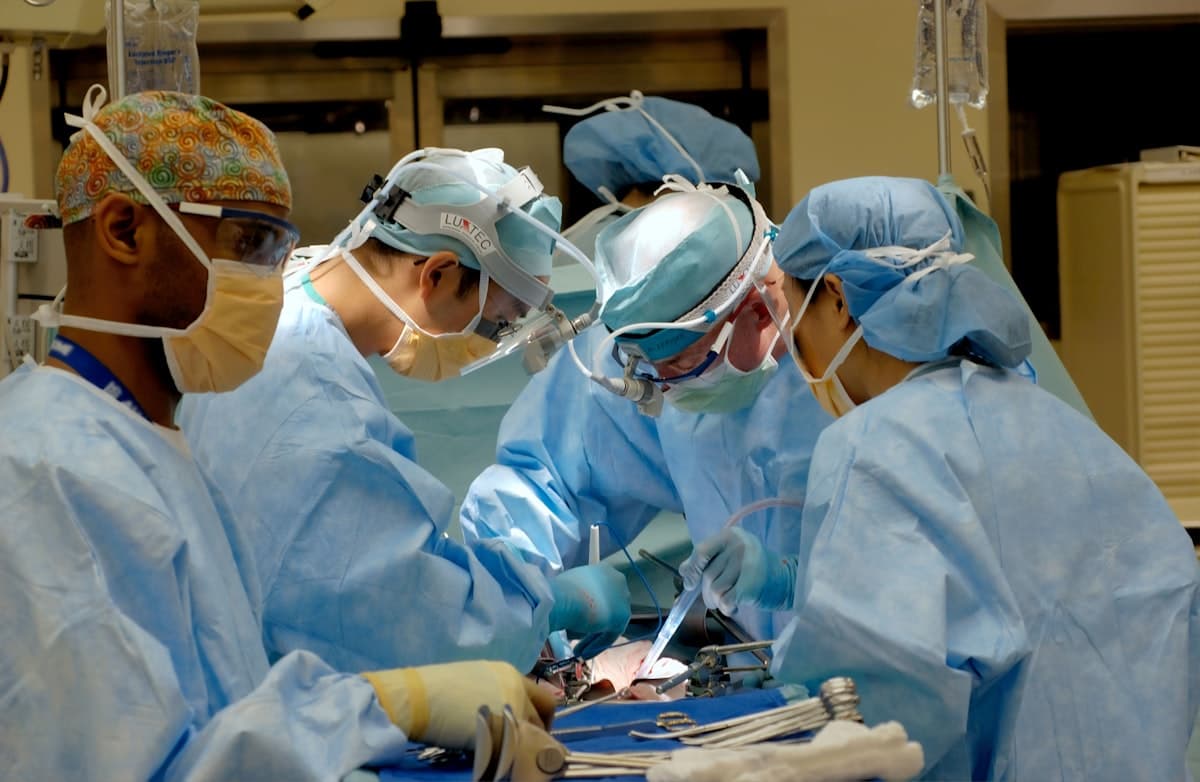
SURGICAL ONCOLOGY WARNING: Percutaneous FNAC/biopsy of potentially resectable gallbladder masses is strictly contraindicated due to severe risk of tumor cell seeding along the needle path. Surgical resectability is determined solely by high-resolution contrast CT and MRCP.
Complete surgical extirpation with microscopically clear (R0) margins provides the sole potential for definitive cure:
T1a Lesions (Mucosal only): Simple cholecystectomy achieves >95% 5-year disease-free survival.
T1b, T2, and Select T3 Lesions: Mandate Formal Radical Cholecystectomy—comprising non-anatomical 2-3 cm wedge resection of the liver bed (Segments IVb & V) or formal bisegmentectomy IVb/V, along with systematic Porta Hepatis Lymphadenectomy (clearing stations 8, 12, and 13 along the hepatoduodenal ligament).
Incidental GBC (Discovered Post-Routine Cholecystectomy): If pathology confirms pT1b or higher, early re-exploration and completion radical hepatic wedge resection must be performed within 4 to 8 weeks.
Comprehensive medical oncology regimens substantially prolong survival across stages:
Adjuvant Capecitabine (BILCAP Trial): 6 months of oral Capecitabine post-R0 resection significantly extends overall median survival from 36 to 53 months.
First-Line Durvalumab Immunotherapy (TOPAZ-1 Trial): For advanced or metastatic disease, adding Durvalumab (anti-PD-L1 checkpoint inhibitor) to Gemcitabine and Cisplatin establishes the global gold standard for survival extension.
Precision Genomic Profiling (NGS): Identifies actionable FGFR2 fusions, HER2/neu amplifications, and IDH1/BRAF mutations for targeted molecular kinase inhibition.
1. BILCAP Trial: Capecitabine in Resected Biliary Tract Cancer (Lancet Oncology) — Primrose JN, et al. Lancet Oncol, 2019; 20(5): 663-673.
2. TOPAZ-1 Trial: Durvalumab with Gemcitabine & Cisplatin in Advanced Biliary Cancer (NEJM Evidence) — Valle JW, et al. NEJM Evid, 2022; 1(8).
3. ICMR Consensus Guidelines on Gallbladder and Biliary Tract Cancers (2024) — Indian Council of Medical Research National Oncology Framework.
Senior Consultant & Clinical Director — Medical Oncology
MBBS (BFUHS Faridkot), MD Radiation Oncology (BFUHS Faridkot), DrNB Medical Oncology (Sarvodaya Hospital, Faridabad), Precision Oncology (Harvard, USA), Ex Consultant RGCI New Delhi
13+ Years Experience
Spica — Grover Hospital
Request a priority OPD appointment or second opinion on your scans.
Proprietary surgical methodologies and precision protocols pioneered by our senior directors to minimize trauma, protect natural anatomy, and accelerate recovery.
Dr. Deepak Garg (Orthopaedic Surgical Oncology - RGCI Delhi Trained) and Dr. Neha Gupta (Medical Oncology) co-lead the Bone Cancer & Sarcoma Center at Spica Healthcare. Integrating intensive multi-agent neoadjuvant chemotherapy protocols (MAP: High-Dose Methotrexate, Doxorubicin, Cisplatin for Osteosarcoma; VIDE: Vincristine, Ifosfamide, Doxorubicin, Etoposide for Ewing Sarcoma) with 3D computer-navigated limb salvage surgery and modular titanium megaprosthetic joint reconstruction, 5-year survival rates exceed 75% to 80% while saving over 95% of patients from limb amputation.
Spica Healthcare — Bone and Cancer Institute, Bathinda — is South-Western Punjab's premier super-speciality centre led by AIIMS and Tata Memorial fellowship-trained directors.
Every diagnostic MRI review, surgical staging, and operation is personally directed by chief clinical specialists — Dr. Deepak Garg (Orthopaedic Oncology & Robotics) and Dr. Neha Gupta (Medical Oncology) — guaranteeing zero junior proxies.
Sub-millimeter implant positioning and soft-tissue ligament balancing ensuring patients walk comfortably within 24 hours of total knee replacement.
South-West Punjab's only dedicated centre for modular titanium megaprosthesis, saving natural limbs and functions in 95%+ of bone cancer patients.
Full cashless coverage for Ayushman Bharat (PM-JAY), Punjab Govt Health Schemes, ECHS, and 30+ private insurance networks with on-desk approvals.
Positive-pressure HEPA filtered theatres minimizing infection rates below international benchmarks with 24/7 dedicated critical care backup.
Fellowship-trained surgical directors from AIIMS & Tata Memorial providing compassionate, world-class tertiary care in super-speciality orthopaedics and medical oncology.
Senior Consultant & Clinical Director — Medical Oncology
MBBS (BFUHS Faridkot), MD Radiation Oncology (BFUHS Faridkot), DrNB Medical Oncology (Sarvodaya Hospital, Faridabad), Precision Oncology (Harvard, USA), Ex Consultant RGCI New Delhi

Senior Consultant & Clinical Director — Orthopaedic Oncology & Robotic Joint Surgery
16+ Yrs ExpSenior Consultant & Clinical Director — Orthopaedic Oncology & Robotic Joint Surgery
MBBS (TNMC Mumbai), DNB Orthopaedics (PGI & SP Miraj), Fellowship Arthroplasty and Arthroscopy (Fortis Hospital, New Delhi), Fellowship Orthopaedic Oncology (Rajiv Gandhi Cancer Institute, New Delhi)
Free OPD screening camps, director-led masterclasses, and national oncology representations by Spica Healthcare.

National Master Course in Musculoskeletal Oncology held in Varca, Goa, organized by HBCH & RC, New Chandigarh (Tata Memorial Centre) and Sarcoma Education Foundation in academic partnership with IMSOS, featuring Dr. Deepak Garg.

Join Dr. Deepak Garg at Grover Hospital Bathinda for a comprehensive free joint and bone health camp featuring free BMD scans, arthritis staging, and expert clinical consultations.

13th Annual Conference of API Malwa Branch (MAPICON 2026) in Bathinda featuring SPICA Healthcare directors Dr. Deepak Garg and Dr. Neha Gupta delivering guest faculty lectures on limb salvage surgery in bone cancer and advances in systemic cancer treatment.

A state-level continuing medical education conference and surgical video masterclass on modern limb-salvage surgery and precision oncology for orthopaedic surgeons and postgraduates.
A dedicated community cancer awareness drive and free screening camp led by Dr. Neha Gupta focusing on early breast and cervical cancer detection for women in Malwa region.

Join Dr. Deepak Garg for an interactive live online webinar explaining modern muscle-sparing knee and hip replacement, zero-pain recoveries, and live patient question answers.
Real stories from patients who recovered through limb preservation surgery, 3D robotic joint replacements, and precision cancer care at Spica Healthcare — Grover Hospital, Bathinda.

“After completing ovarian cancer chemotherapy, genetic testing by Dr. Neha Gupta revealed a BRCA gene mutation. She placed me on oral Olaparib maintenance tablets at home. My CA-125 is completely normal at 8 U/mL and my scans show zero evidence of disease after 2 years!”
Faridkot — Verified Recovery

“An L5-S1 disc herniation caused shooting electric pain down my left leg, leaving me unable to stand straight for 2 months. Dr. Deepak Garg performed Micro-Endoscopic Discectomy through a 16mm keyhole port without any spinal fusion or screws. The shooting pain disappeared immediately upon waking up, and I was discharged the next morning!”
Bathinda — Verified Recovery

“When diagnosed with HER2-positive breast cancer, I was terrified of chemotherapy nausea and hair loss. Dr. Neha Gupta's daycare unit used a chemoport and scalp-cooling caps. I had zero vomiting, walked out each afternoon to sleep in my own bed, and completed targeted Trastuzumab with complete cancer clearance!”
Sirsa — Verified Recovery

“Severe hip avascular necrosis left me limping with agonizing groin pain. Dr. Deepak Garg performed Direct Anterior Total Hip Replacement with dual-mobility ceramic bearings without cutting any buttock muscles. I walked the very evening of surgery and drove my car at 3 weeks!”
Mansa — Verified Recovery

“Two outside hospitals told my father that my right leg had to be amputated from the hip due to distal femur osteosarcoma. Dr. Deepak Garg gave us confidence. He removed the entire bone cancer with clear margins and rebuilt my knee using a modular titanium megaprosthesis. Today I walk normally, ride my motorcycle, and am 100% cancer-free!”
Muktsar — Verified Recovery

“I was terrified of knee surgery after seeing neighbors bedridden for months. Dr. Deepak Garg's subvastus muscle-sparing technique meant zero cutting of my thigh muscle. I was walking with a walker within 6 hours of surgery and climbed stairs at 2 weeks without any knee pain!”
Bathinda — Verified Recovery
Evidence-based surgical recovery roadmaps, robotic joint protocols, and precision oncology insights written by our clinical directors.

Sports medicine & trauma guide by Dr. Deepak Garg on multi-ligament knee injuries (MLKI), Schenck classification KD-I to KD-IV, popliteal vascular evaluation, and anatomical 4K arthroscopic reconstruction (ACL/PCL/PLC).
Senior Consultant & Clinical Director — Orthopaedic Oncology & Robotic Joint Surgery

Revision hip surgery guide by Dr. Deepak Garg on massive acetabular bone loss, Paprosky classification Type I-IIIB, 3D-printed trabecular titanium modular augments, and pelvic discontinuity repair.
Senior Consultant & Clinical Director — Orthopaedic Oncology & Robotic Joint Surgery

Orthopaedic oncology guide by Dr. Deepak Garg on managing metastatic bone disease of the long bones, Mirels' scoring criteria, prophylactic intramedullary nailing, and modular tumor resection.
Senior Consultant & Clinical Director — Orthopaedic Oncology & Robotic Joint Surgery

Joint replacement guide by Dr. Deepak Garg comparing Kinematic Alignment (KA) vs. Mechanical Alignment (MA) in 3D robotic-assisted total knee arthroplasty, soft tissue balancing, and Day-1 walking outcomes.
Senior Consultant & Clinical Director — Orthopaedic Oncology & Robotic Joint Surgery

Comprehensive clinical orthopaedic oncology analysis by Dr. Deepak Garg on Giant Cell Tumor of Bone (GCTB), Campanacci staging, extended intralesional curettage, subchondral cementation, and megaprosthetic reconstruction.
Senior Consultant & Clinical Director — Orthopaedic Oncology & Robotic Joint Surgery

Orthopaedic oncology guide by Dr. Deepak Garg on extremity soft tissue sarcoma management, 3D barrier-based margin clearance, neoadjuvant IMRT protocols, and flap reconstruction.
Senior Consultant & Clinical Director — Orthopaedic Oncology & Robotic Joint Surgery